
University Completion - The Current State of Affairs
I don't care to celebrate who gets into a degree at university - I want to celebrate getting out with a degree.

Universities are in the spotlight right now. The federal government has announced an increase in the minimum income required to make minimum repayments to HELP debts as well as a change in how repayments are calculated. This may be welcome news for some, but it does nothing for actual debt relief. On the contrary, it prolongs debts and increases what needs to be paid back.
Then the government announced that it will wipee out 20% of every person with a HELP debt’s HELP debt. This is great, but it only benefits those who have the debt. It doesn’t address the problem of rising debts in the future.
The federal government has now announced a review of the whole thing. This is good news. But it won’t mean no debt. Just different debt.
Domestic and International Students and Money
Australian universities are in trouble. For the longest time they’ve been undervalued and underfunded by the government. To supplement that, universities have had a few avenues available to them. In terms of students they are:
Domestic students
There has not been a cap on the number of domestic students a university can enrol, but there is a maximum amount of funding a university can receive for domestic students. Universities receive no commonwealth funding for students over this amount, but they do receive a student’s contributions (HECS). This creates incentive for universities to allow over-enrolment in courses such as law and business, where (thanks to the Morrison government) students pay the majority of their fees and disincentivises universities from over enrolling in STEM courses, where the government pays the majority of the fees.
But this is changing. This soft ceiling of funding will become a hard ceiling driven by managed targets for courses at each university. This may be attractive to the government as a body separate to the universities can determine the numbers of students they want studying different areas and divvy up the places to universities accordingly.
International Students
This is where the real money has been. International student fees are typically between $20,000 - $50,000 per year, sometimes far surpassing how much a university is allowed to receive from enrolling a domestic student. We’ve long known that international students have been propping up our universities and the universities that can attract the most international students with perceived prestigious degree programs have been able to profit the most from this.
This, too, is changing. The number of international students studying in Australia will be lower than it has been in the past.
Changes to these two main means of funding are causing headaches for universities. In recent weeks ANU, UC and UOW have announced budgetary pressures requiring reductions in the number of staff. These are just a few of the Australian universities cutting spending and jobs. All universities are feeling the pinch.
Our universities are underfunded by the government. One thing our current system of funding doesn’t take into account, for example, is that it costs more to educate a 4th year student than it does to educate a 1st year student (on average). The more specialised your classes become for your degree program, the smaller the classes and lecture groups become and the more a university must spend per student to run a course. First year Physics courses are shared across multiple degree programs. 4th year Physics courses tend not to be.
Universities are complex places and they need funding models to reflect certain aspects of that. In their current form, they do not.
Funding for Teaching
The funding a university receives for a domestic student from both student contributions and government funding is, unsurprisingly, determined by the government.
Here’s what it looks like, by broad definitions of study.
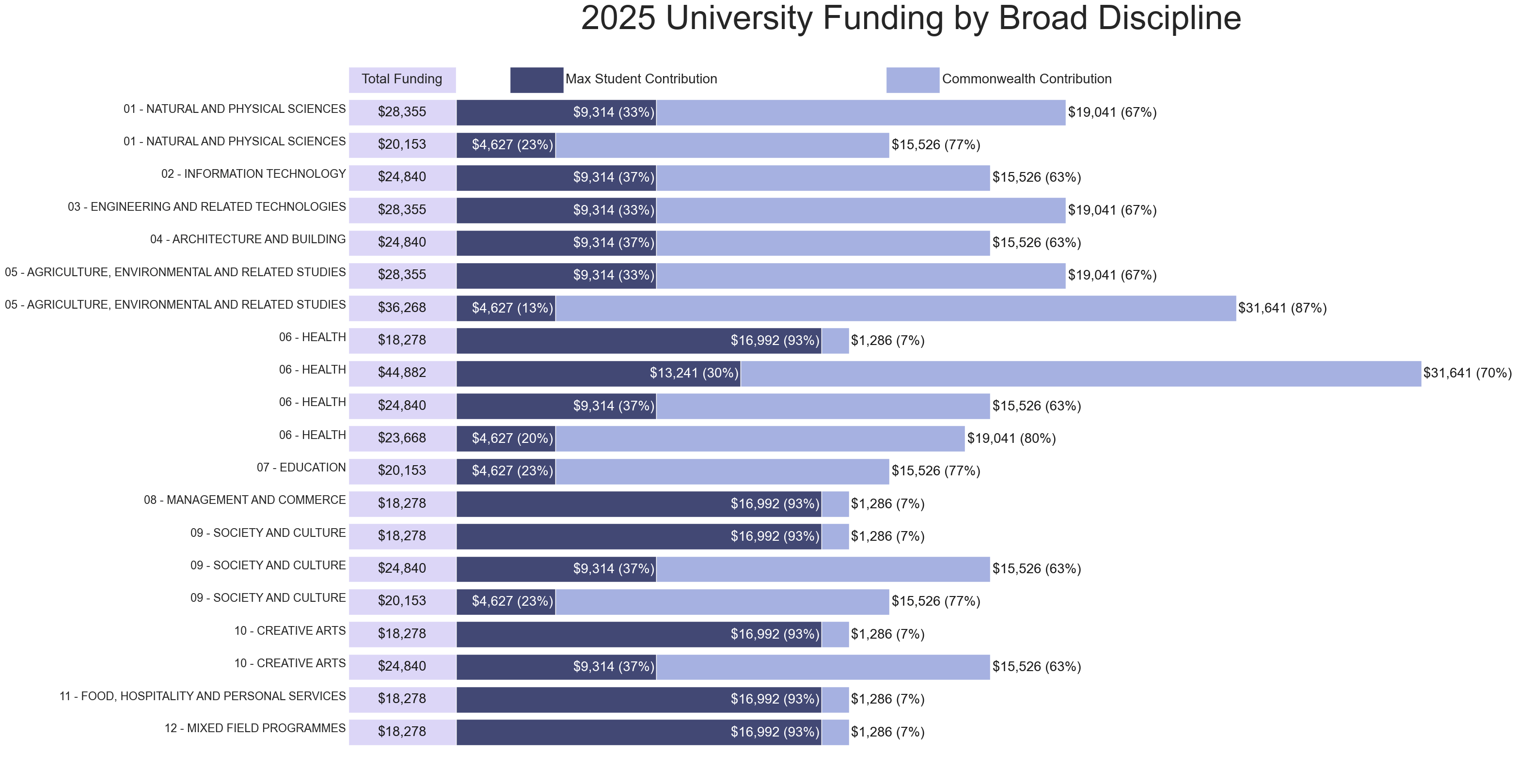
It’s a mess. There are 441 categorisations of degree programs. For 132 of those, the government’s contribution is just 7% of the total cost of the program. That’s not a contribution. It’s a clear message that about a quarter of the areas of academic study are unvalued and to be discouraged. But this is absurd. We need people to have broad areas of expertise. Each person is very limited in what areas they can be experts in and, in general, the higher the expertise, the more narrow its focus. So we need a lot of people to be experts across a broad range of disciplines. The notion that some are inherently more valuable than others because of their perceived contribution to the economy is dumb. Dummies think like that.
Our universities need and deserve funding that takes into account the nuance and complexity of running educational institutions that take people to the edge of our current understanding and allow them the support and resources to push that understanding further and further out. Our government is making that far too difficult for our universities to accomplish.
Desperation is the Enemy of Ethical Behaviour
Institutions with an abundance of money have the luxury of room to breathe. Institutions staring down the likelihood of retrenching staff and downsizing their spending feel tremendous pressure. The amount universities are funded relative to costs has been decreasing. University funding is indexed against inflation. But our reported inflation is a poor indicator of the cost of running a large scale institution. Inflationary pressure isn’t evenly applied across an economy.
The result is that universities have needed to find avenues to supplement the reality of inadequate government expenditure on higher education. International students have been one huge avenue of revenue raising for universities. Domestic students have been another.
Moving Away from Centralised Entry
In recent years the majority of universities in Australia have been moving away from using the ATAR as a determiner for entry into their institutions for school leavers. I imagine the reason for this is competition. Where there are no caps on the numbers of students an institution can take in, there is increased competition between institutions to secure places in degree programs. Where those degree programs aren’t particularly competitive in the first place, a university is in a difficult position. They can maintain a rigorous entry process whilst other universities remove barriers to entry, or they can follow the others and just let students in.
The choice of the majority of universities in the majority of circumstances has been to just let students in. In 2022, Western Sydney University received about 25,000 applications and made about 27,000 offers. Their offer rate was 110%. The doors to university are well and truly open and the notion of due process in determining who gains entry was left behind quite some time ago.
Entry Needs Due Diligence
In a system where education is free, everyone having a go is fine. But it’s not and it’s not. When a student undertakes university study they accrue a debt according to the chart above.That debt, over four or five years, is significant, no matter your area of study.
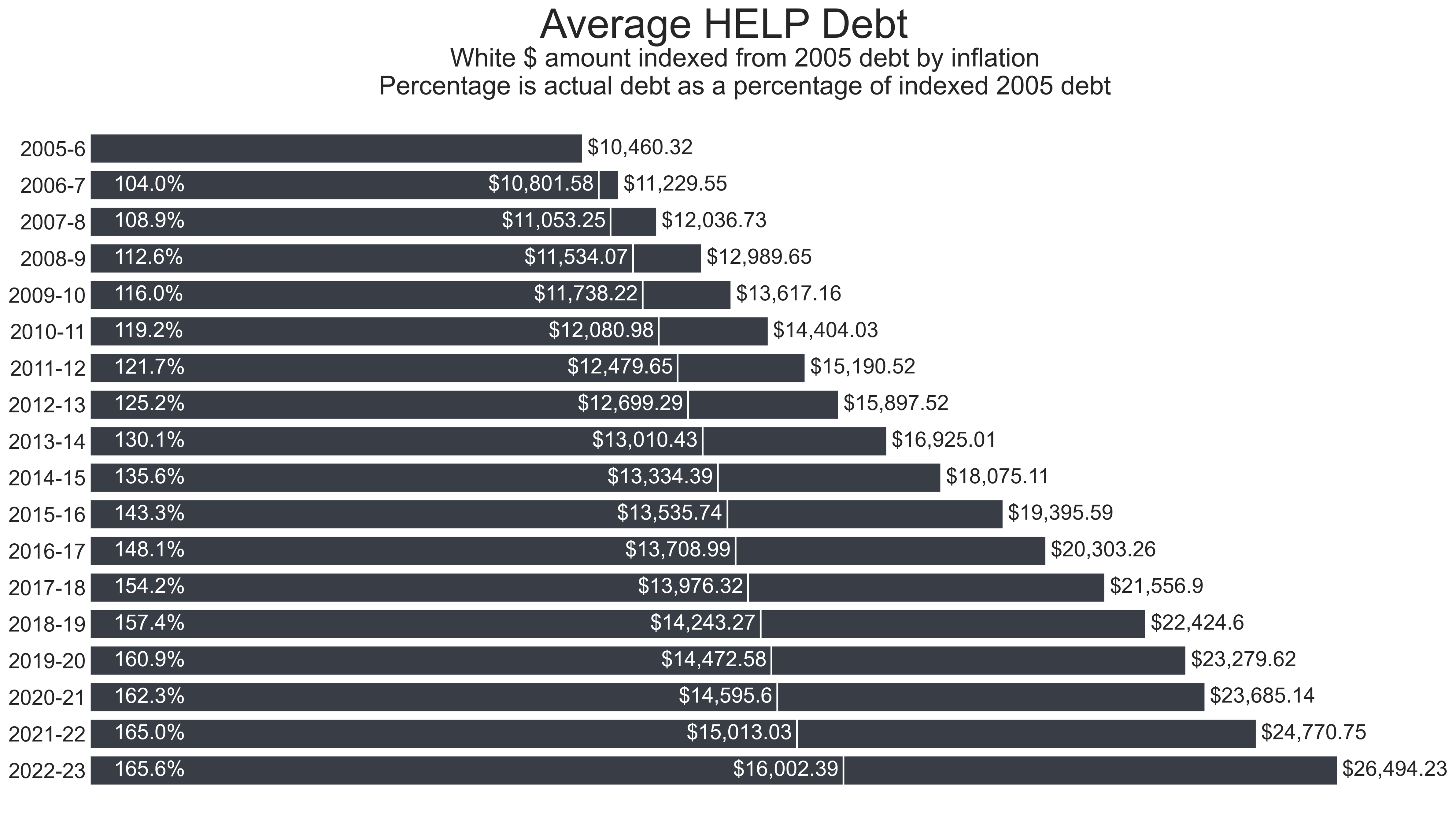
Over time, average HELP debts have steadily risen, far outpacing inflation.
The total debt in Austalia is also rising significantly.
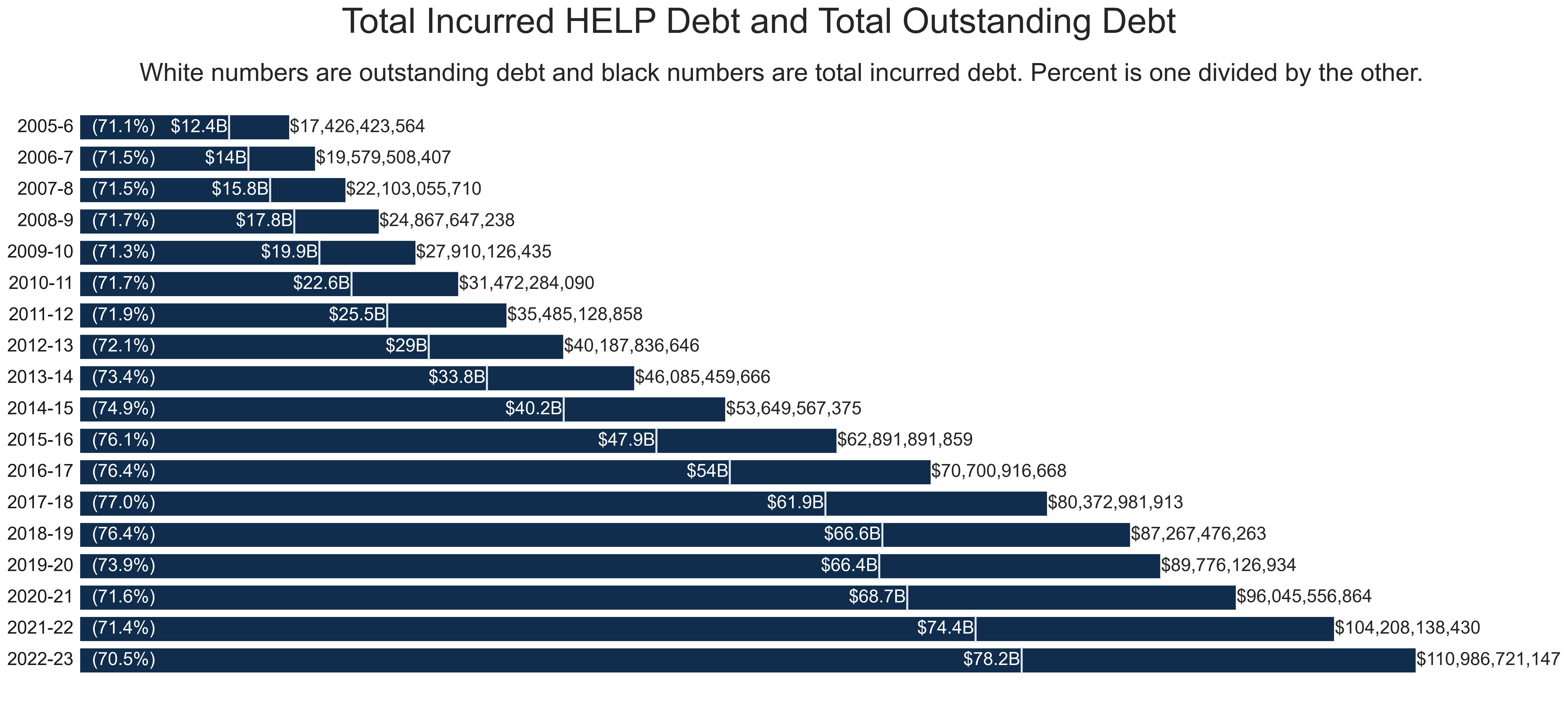
Right now the trend is that every year group beginning university will, at the end of their degrees, owe more, both in absolute and relative terms, than those who have studied before them. This is not ok. We have a serious problem of student debt in Australia.
Completion Rates Matter
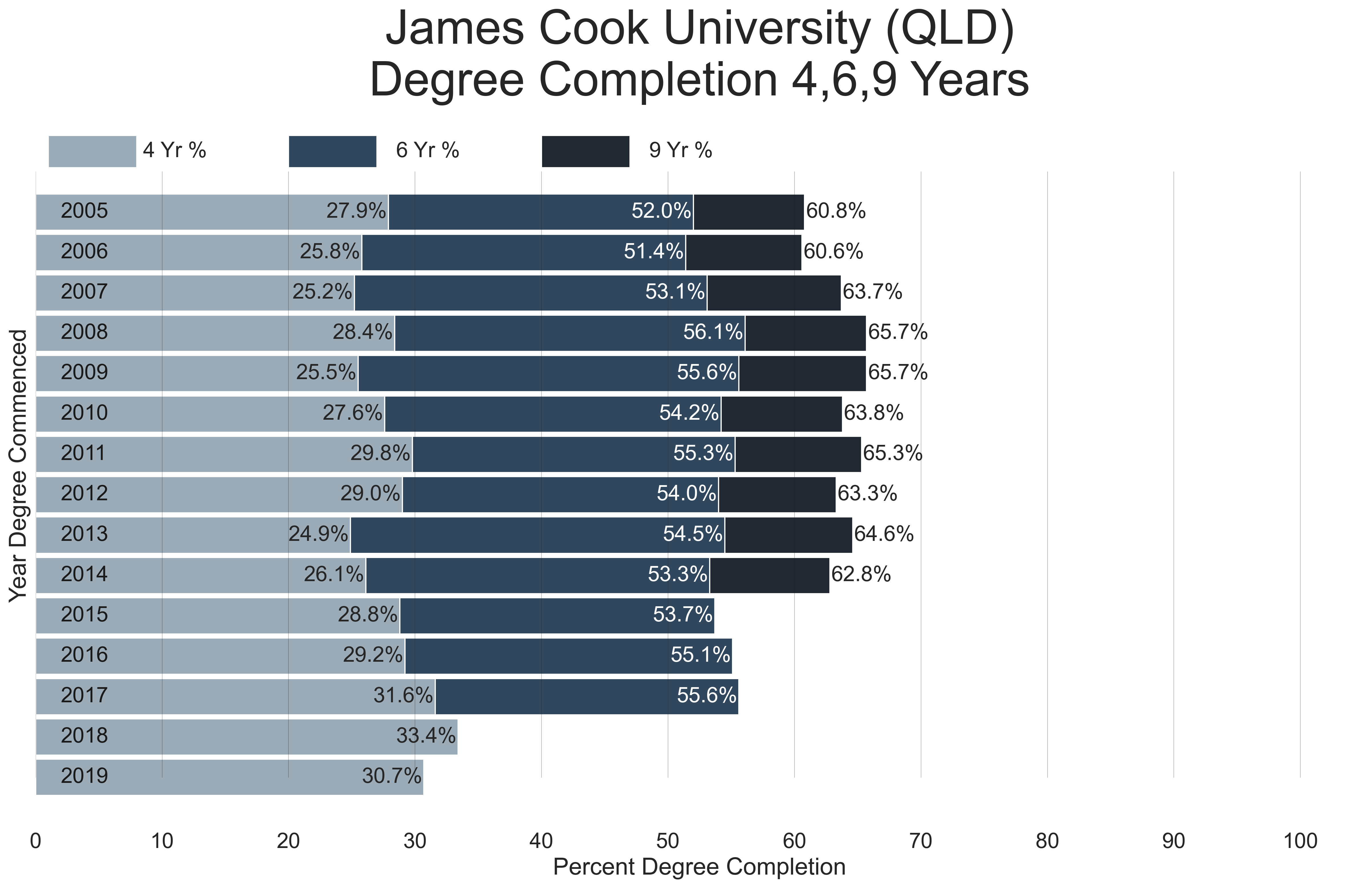
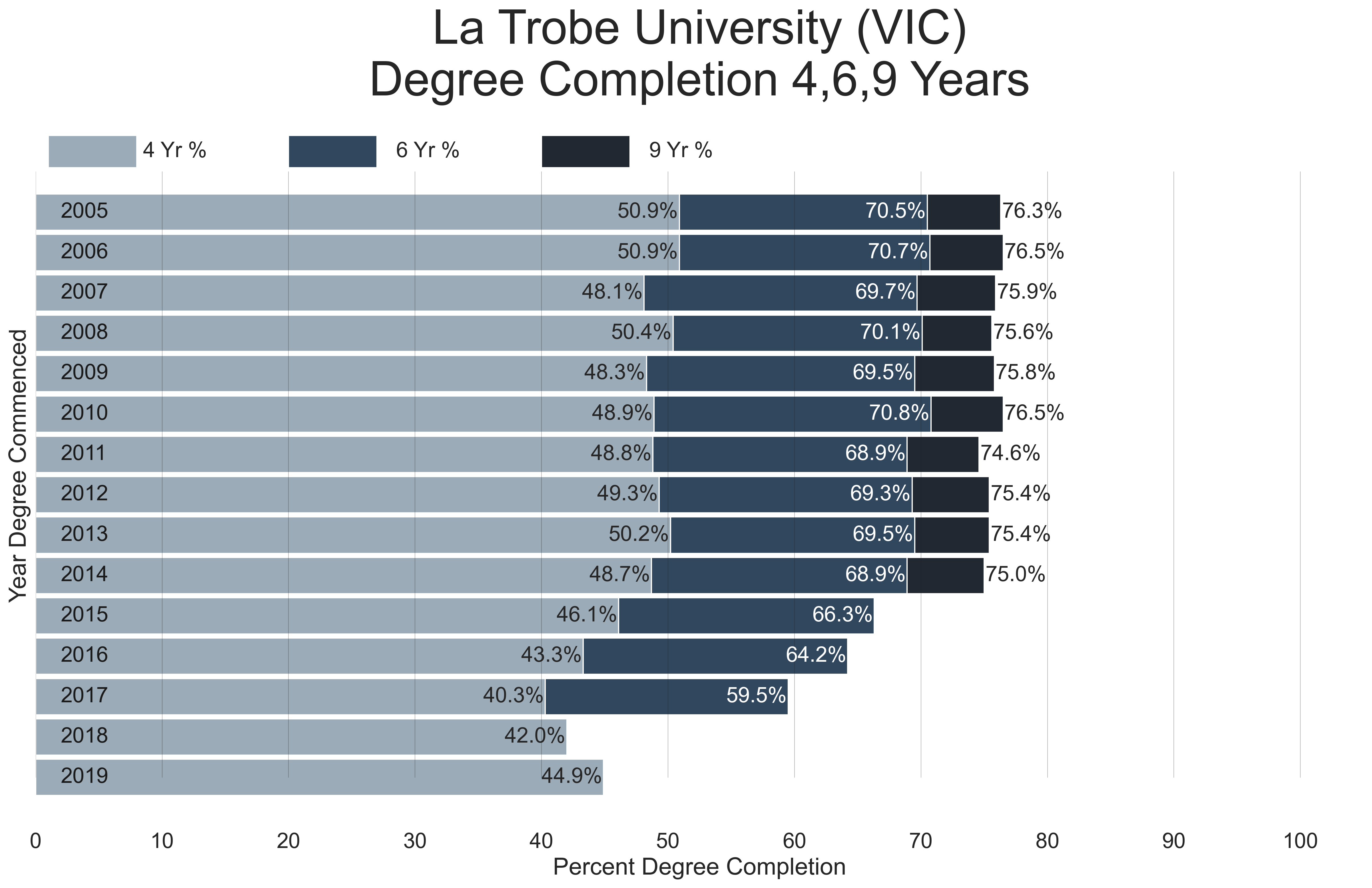
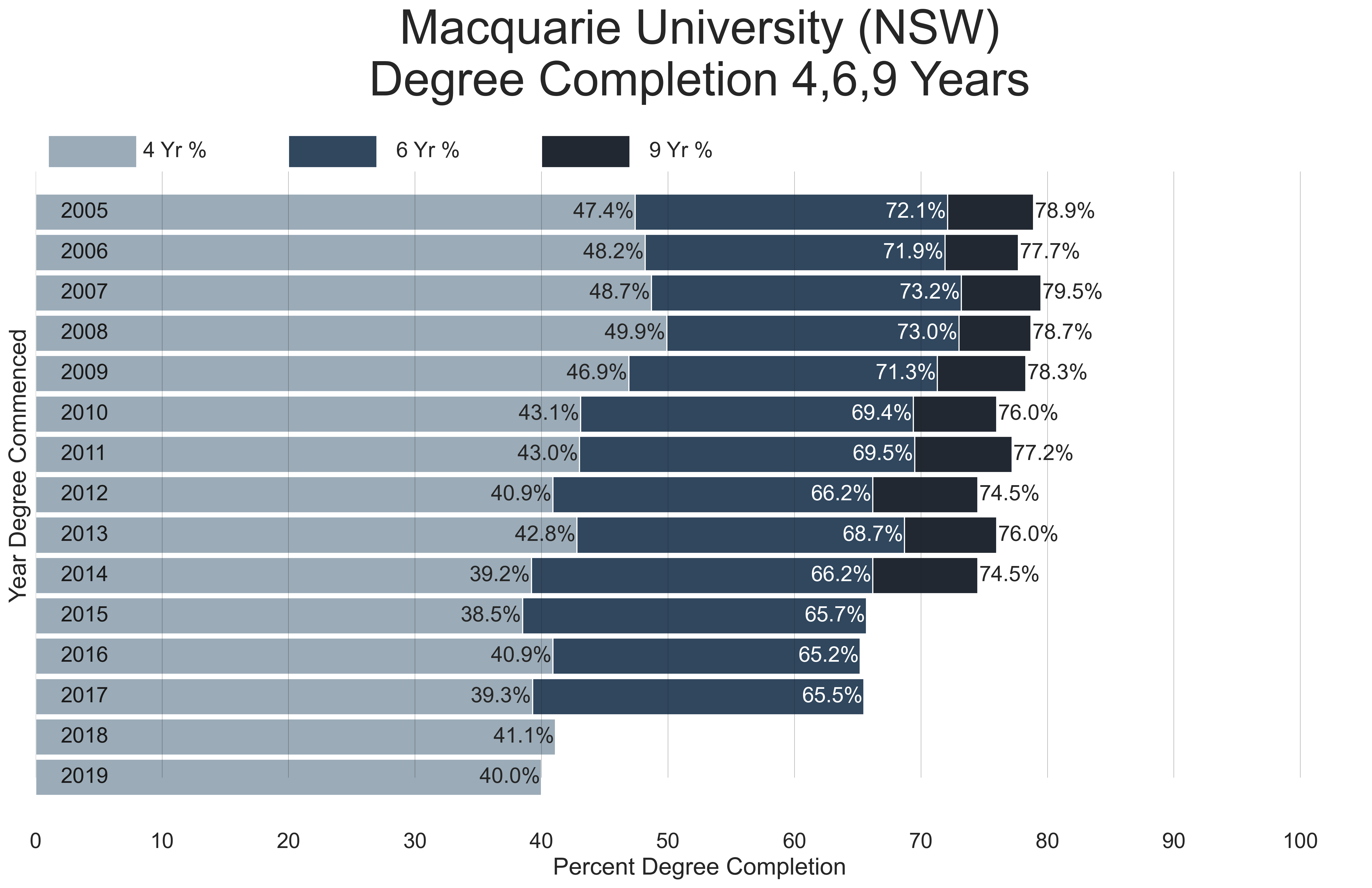
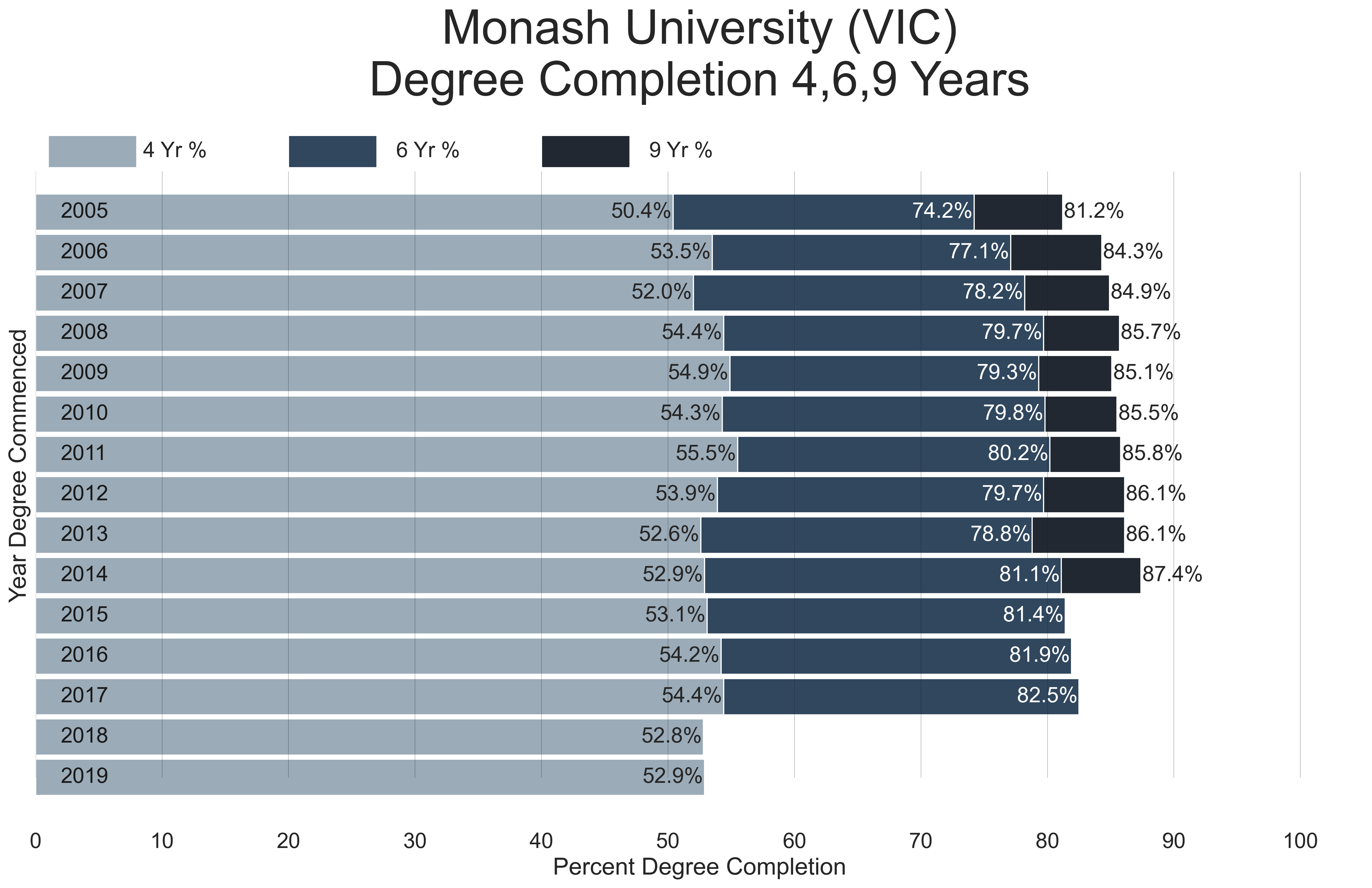
Because our university system is built on the accumulation of debt by students, it’s important that as many students who begin a university degree as possible leave university with a degree. Otherwise the debt is a bad one.
It’s popular for people to say that adults are adults and they are responsible for their own life mistakes. And that’s true. But bad debts are bad for society and, as a society, we benefit from building systems and regulations that discourage them.
But the truth is that this isn’t just an adult problem.
Unconscionable Contracts
Universities are increasingly making offers of study to students in schools. Before the government reigned them in this year, there were a significant number of offers being made when a student was in Year 11 and many in May when students were in Year 12. These are minors being courted by universities with the promise of placements that will accumulate debt. These are minors being asked by univversities to accept those offers while they’re still minors and entering into contracts with the federal government to become indebted for that program. If a bank did this we’d scream bloody murder. We have and we should because it’s unconscionable. Our federal governement is no different in this regard.
Universities are not held accountable for these bad debts. The people who entered into them as minors are. Universities have no obliogation to undertake any due diligence when it comes to students entering university and they bear no responsibility when the children they courted into their institutions prove to be ill prepared for they degree programs tehy were offered entry into. The universities get paid. The kids get debts. The ATO happily plays debt collector for as long as it takes to get that back.
Completion Rates According to ATARs
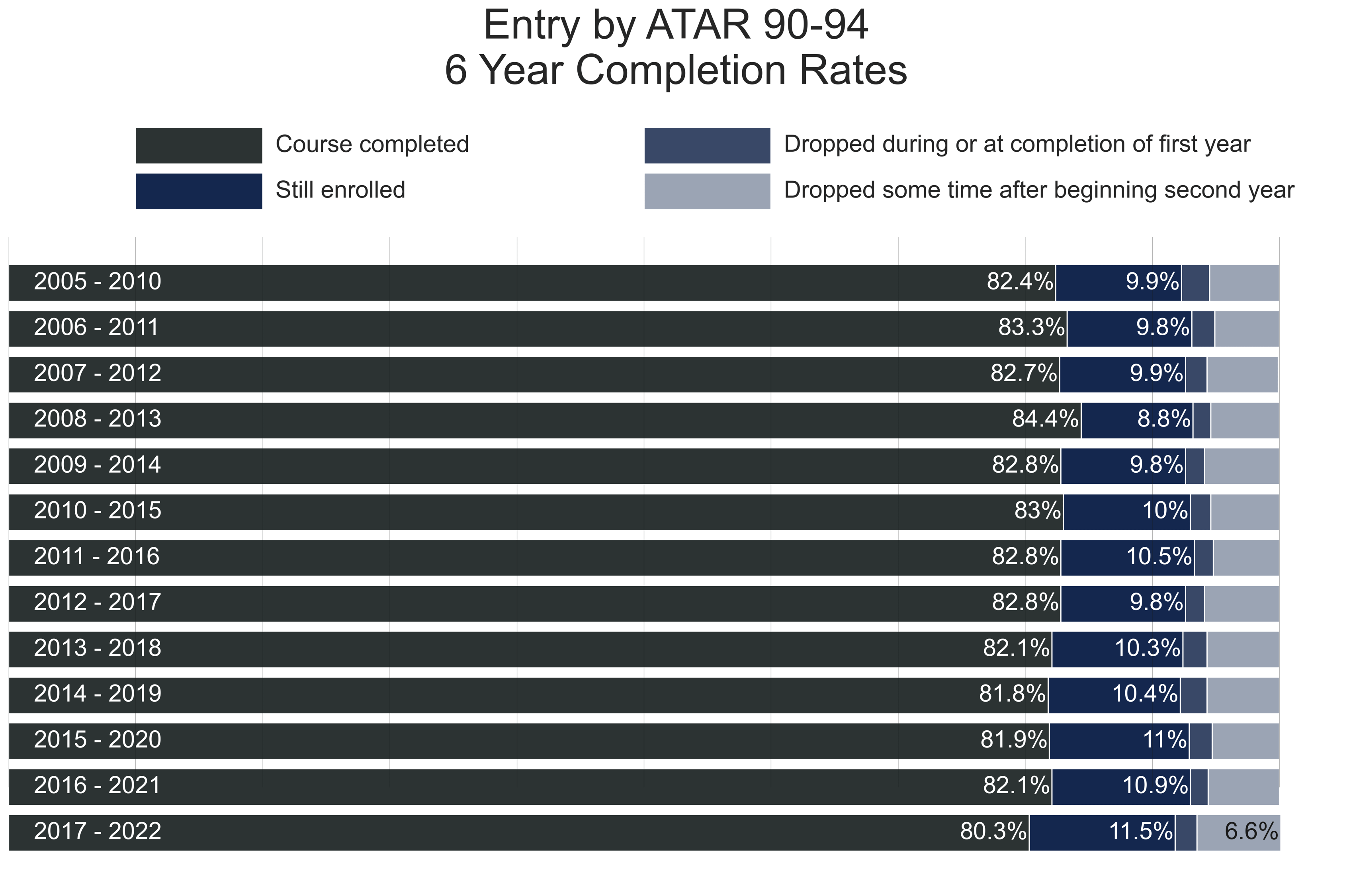
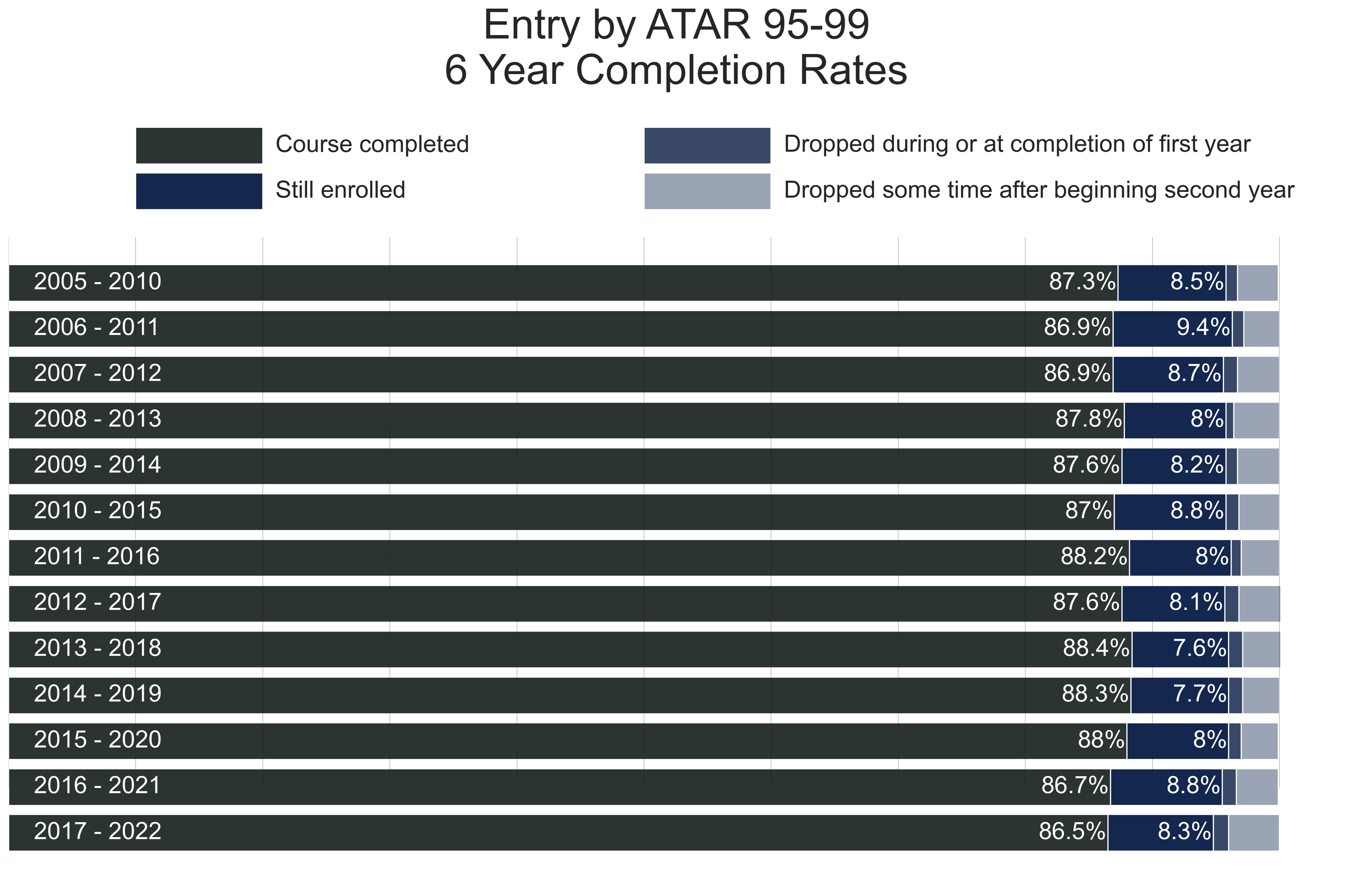
These are the completion rates of students over 6 years at university who accepted offers straight from school according to their ATARs. These are domestic students entering university straight from school.
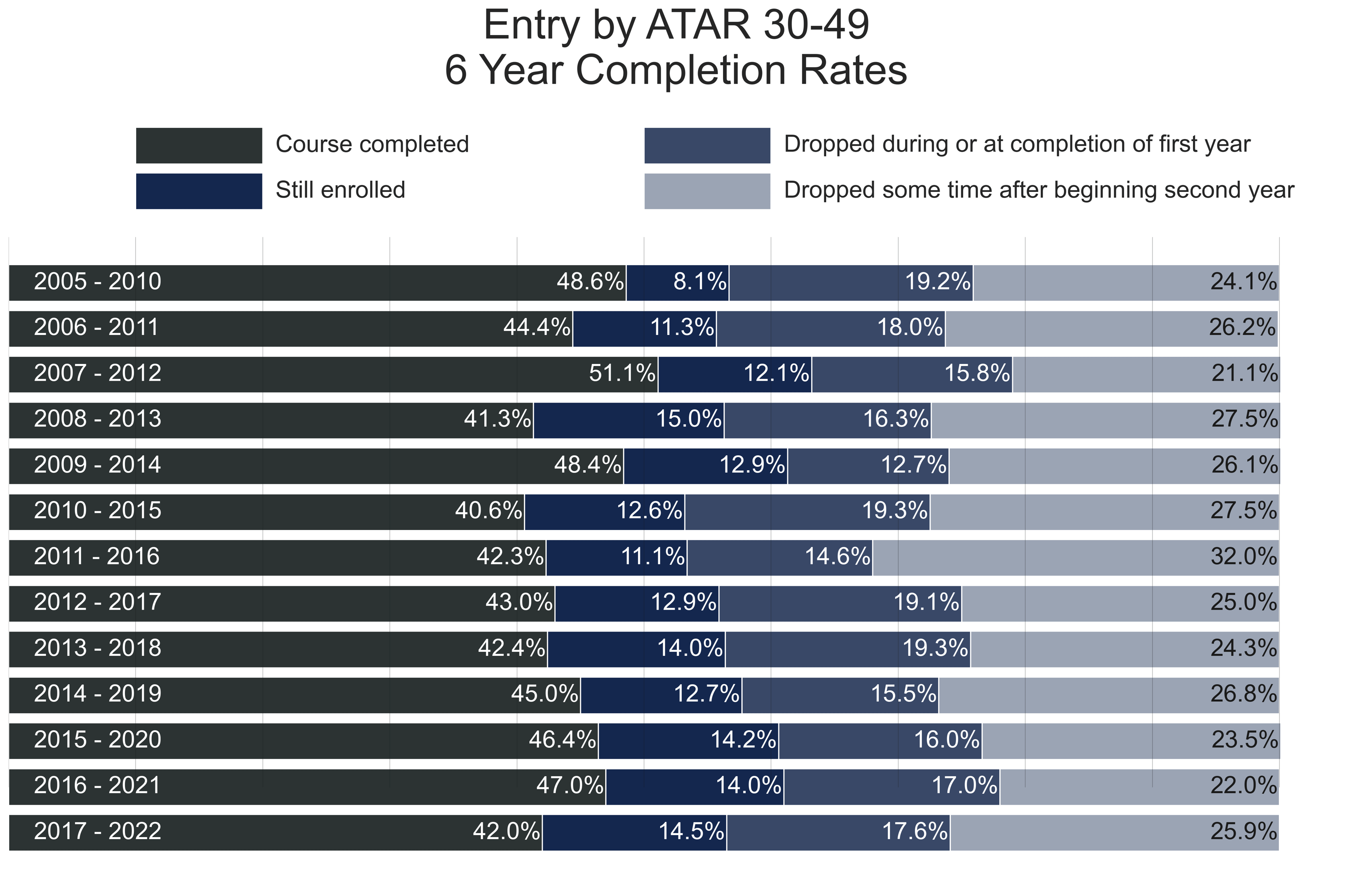
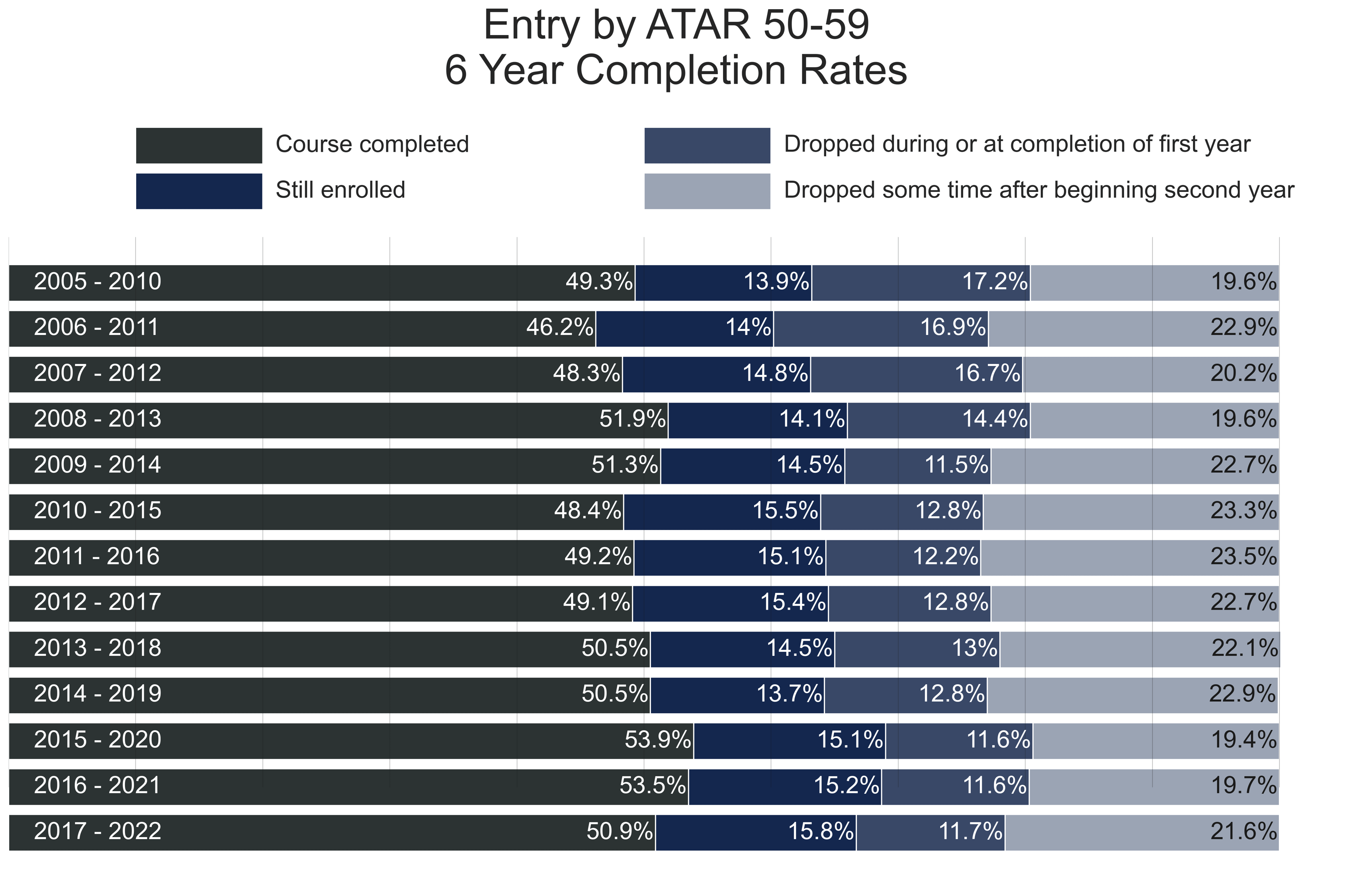
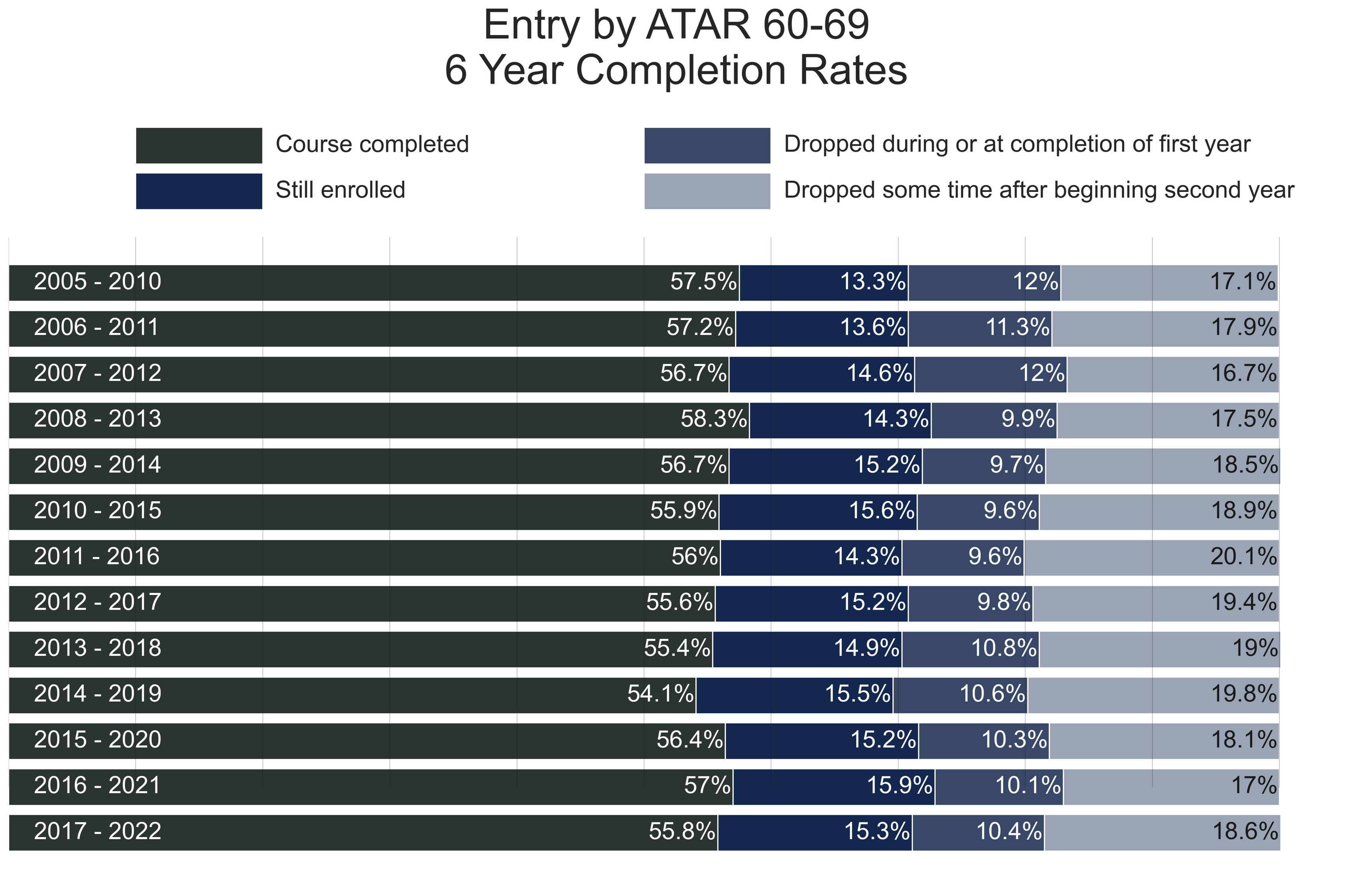
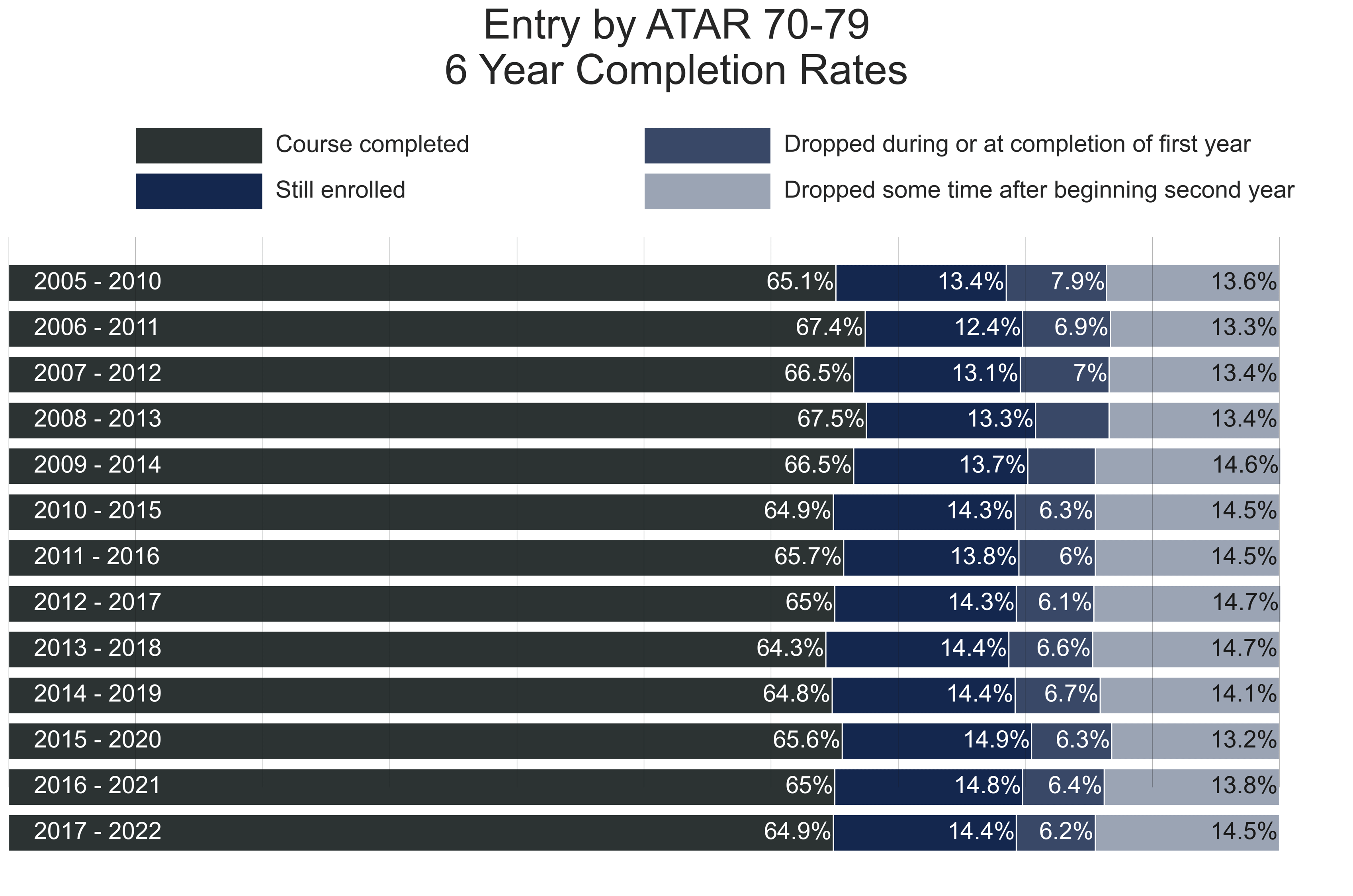
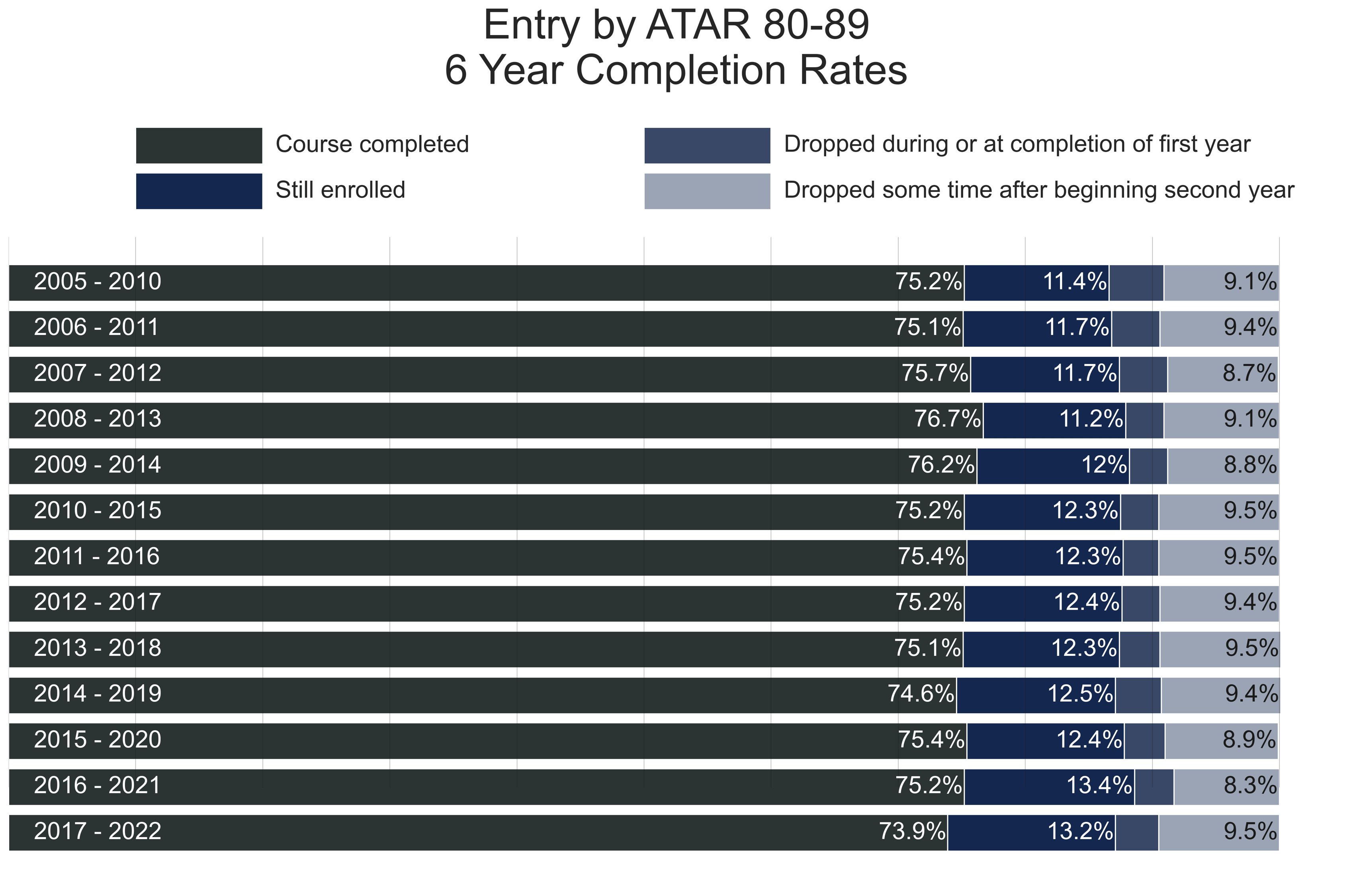
And here are the completion rates of students entering university straight from school by virtue of offers that do not use their ATARs. It’s not that they haven’t achieved an ATAR. They just didn’t use it to get into university. That is, early entry.
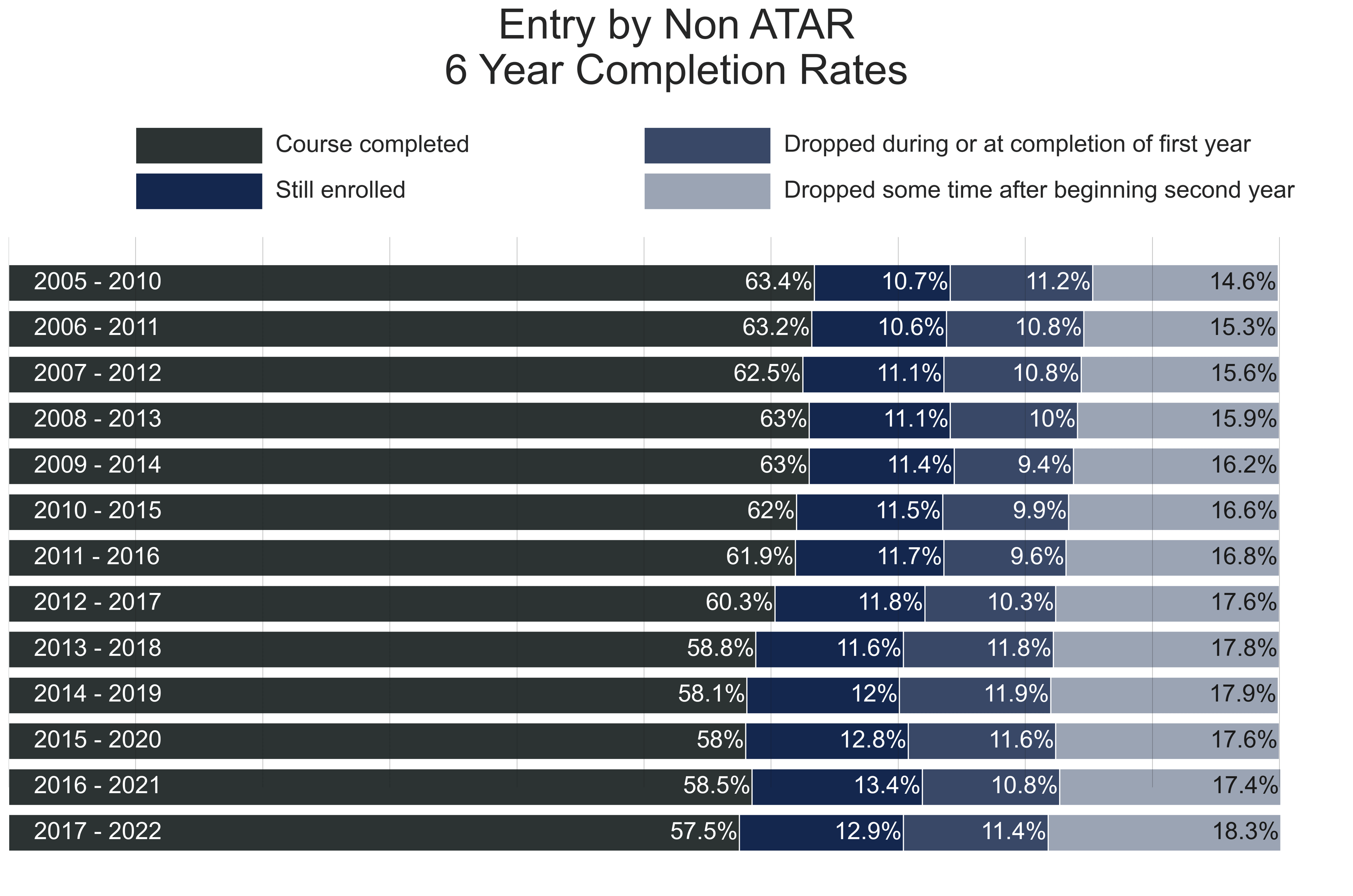
The only demographic here whose completion rates are dropping significantly are those who entrer university by means other than their ATAR. ATAR is not due diligence. But for the longest time it acted in its place. Where universities say they now take the whole student into account rather than just a number that doesn’t define them, they’re largely lying. What they mean to say is that they’ll take anyone’s money, no matter their achievement or lack thereof in school.
Completion Rates by SES
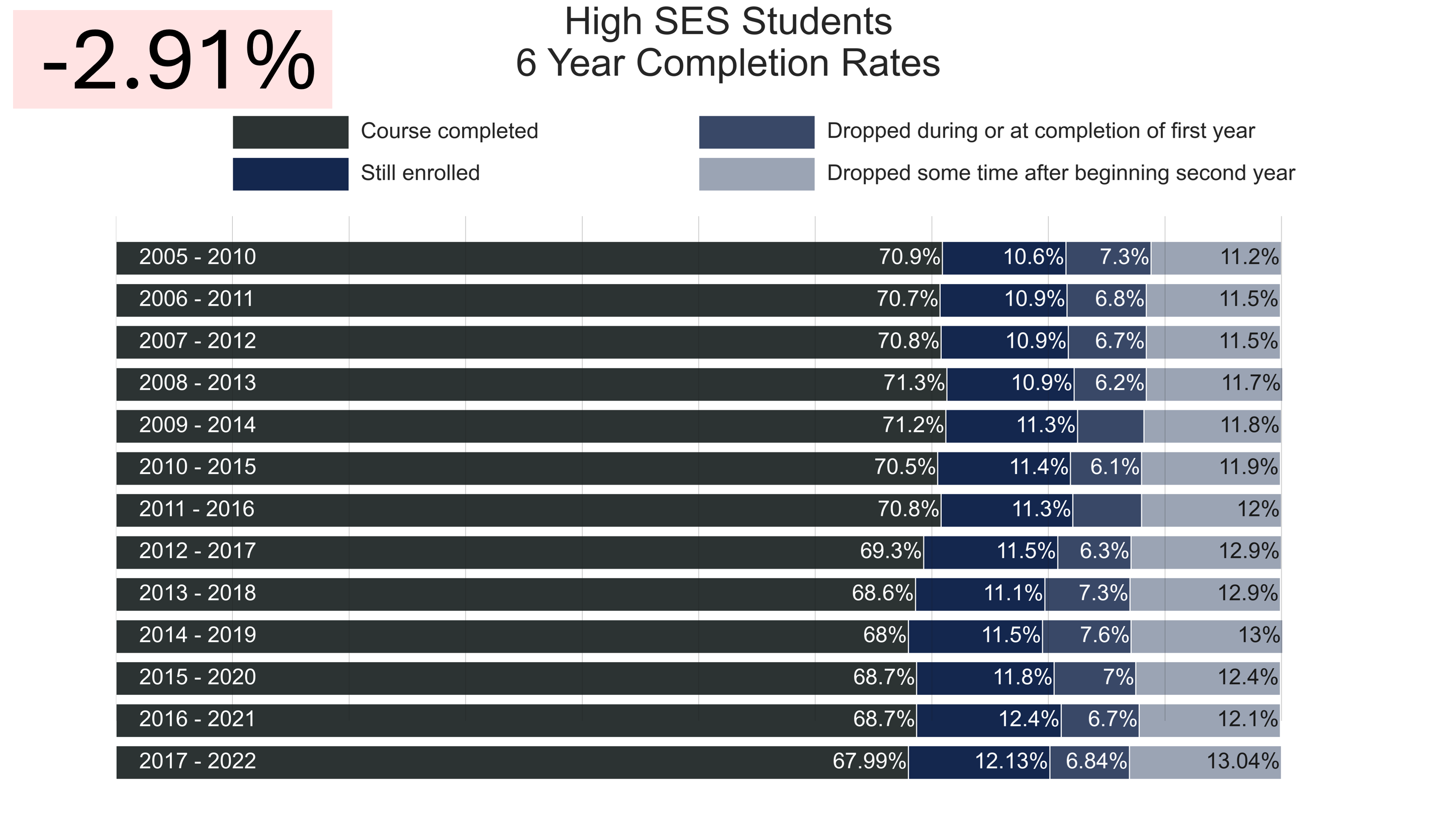
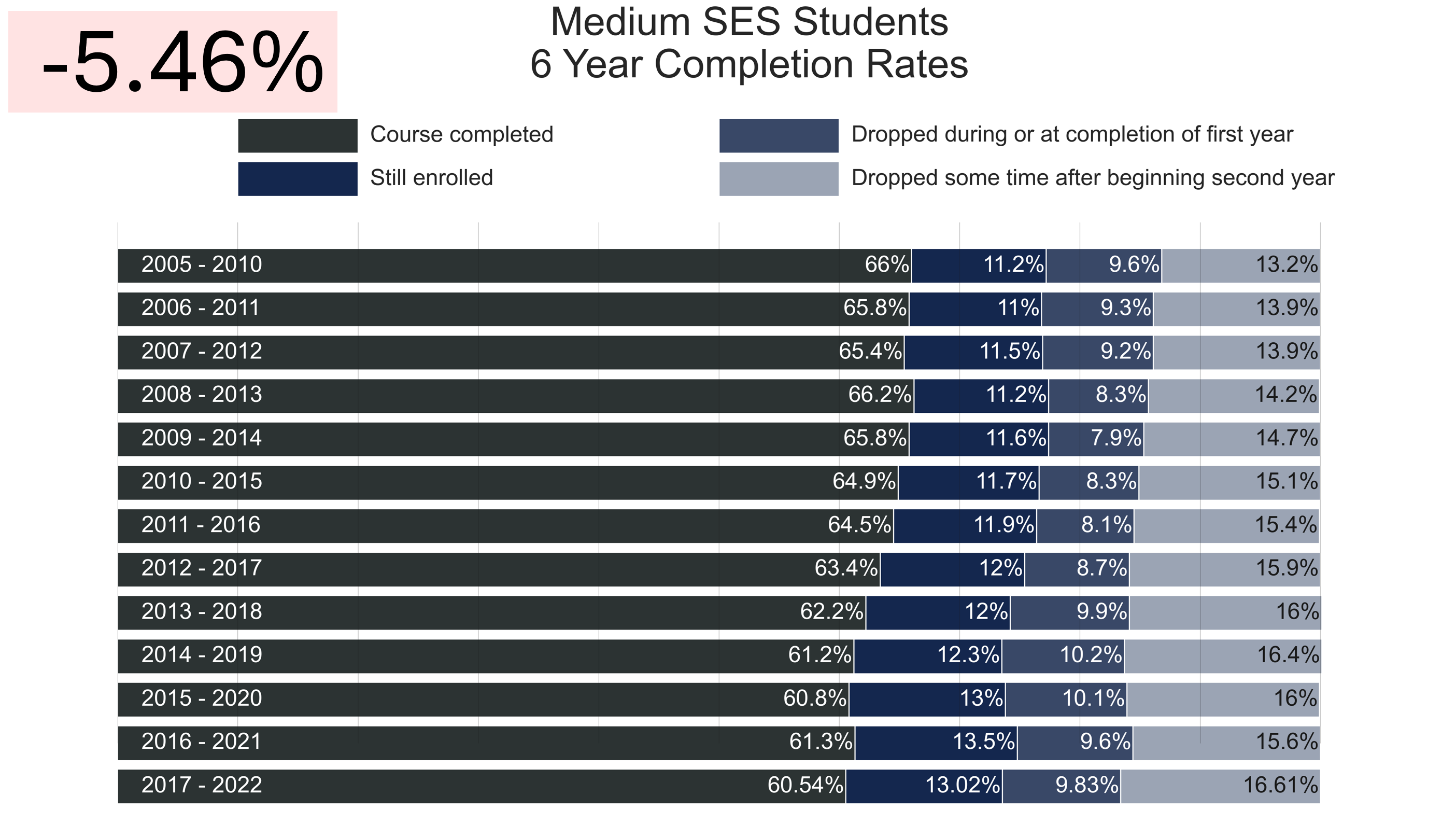
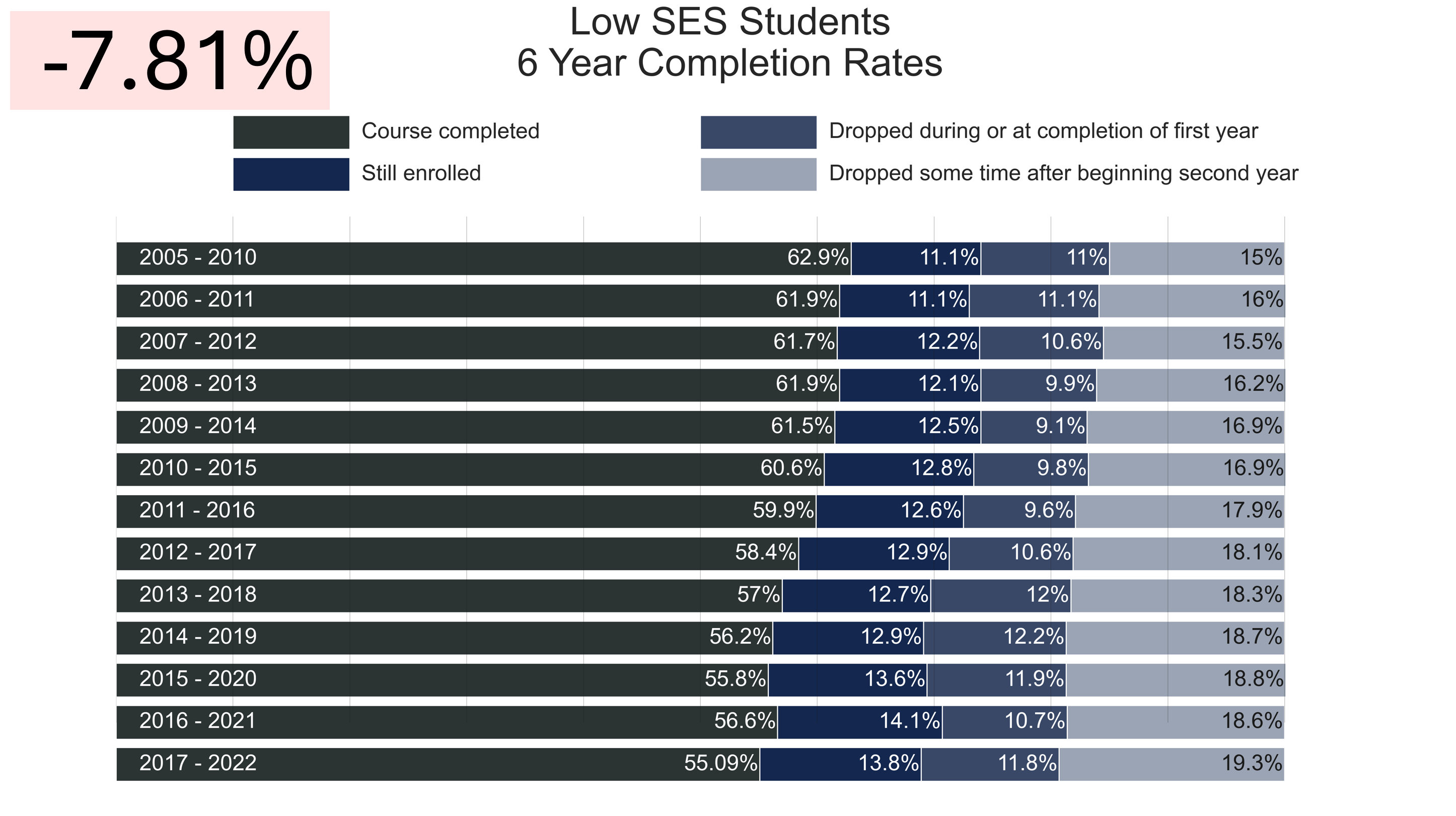
I’m tired of being diplomatic in any way about this. Our current system of entry is increasingly funding universities at the cost of our most vulnerable students. There is more inequity in university completion rates now than there has ever been in the past. I’m tired of hearing people who don’t know what they’re tlaking about praise the demise of tools such as the ATAR, while they watch more and more poor kids get fucked by the system, but they don’t care enough to realise or speak up about that. It’s a disgrace.
I couldn’t care less about universities abandoning the ATAR as a tool to determine likely success of students at university if it were replaced with something better. But it’s not. It’s been replaced with no due diligence and no care for the students who will be hurt by that. To celebrate that is to celebrate increased debts for students who can ill afford it and that is not an attitude I will share.
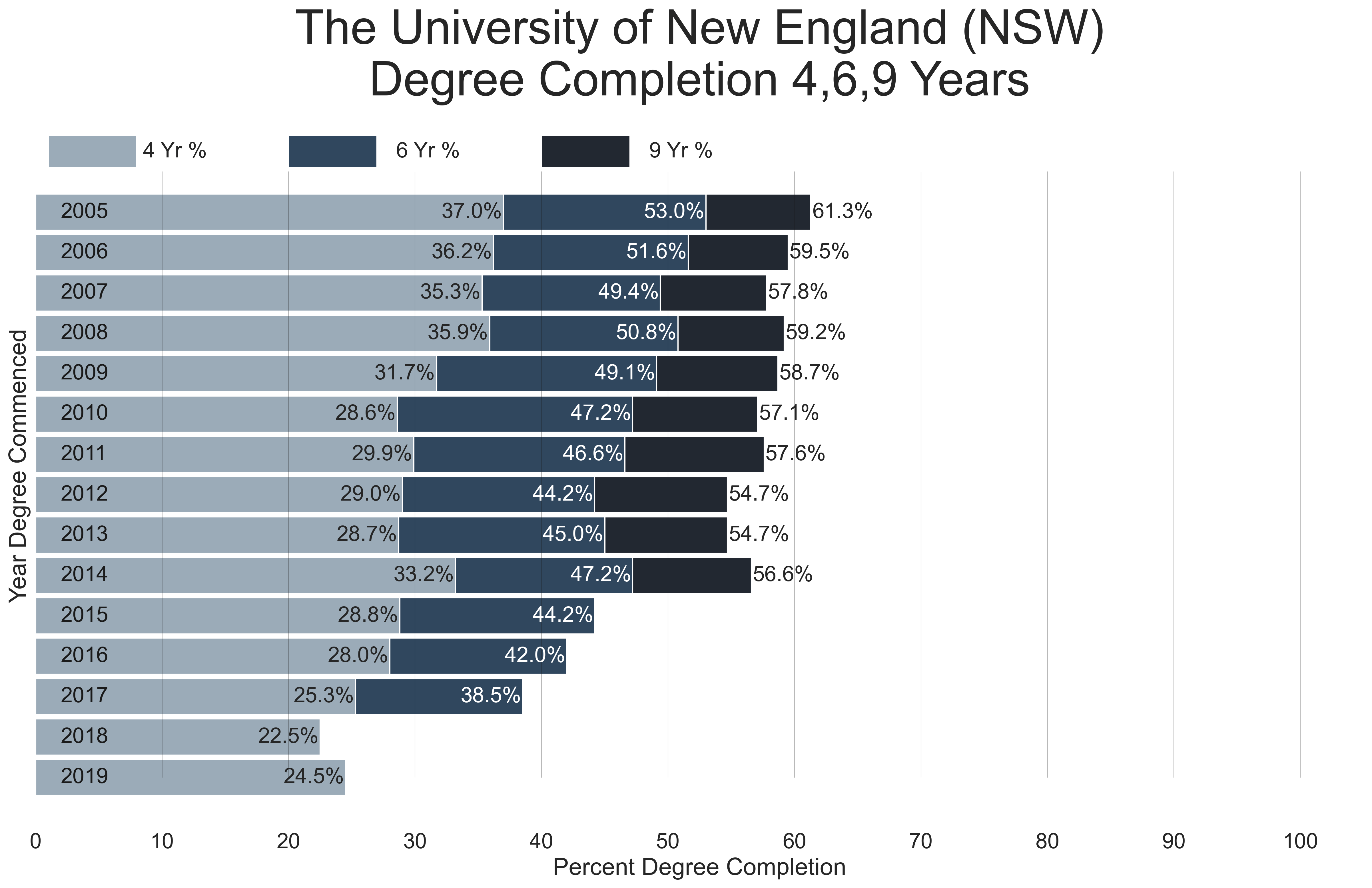
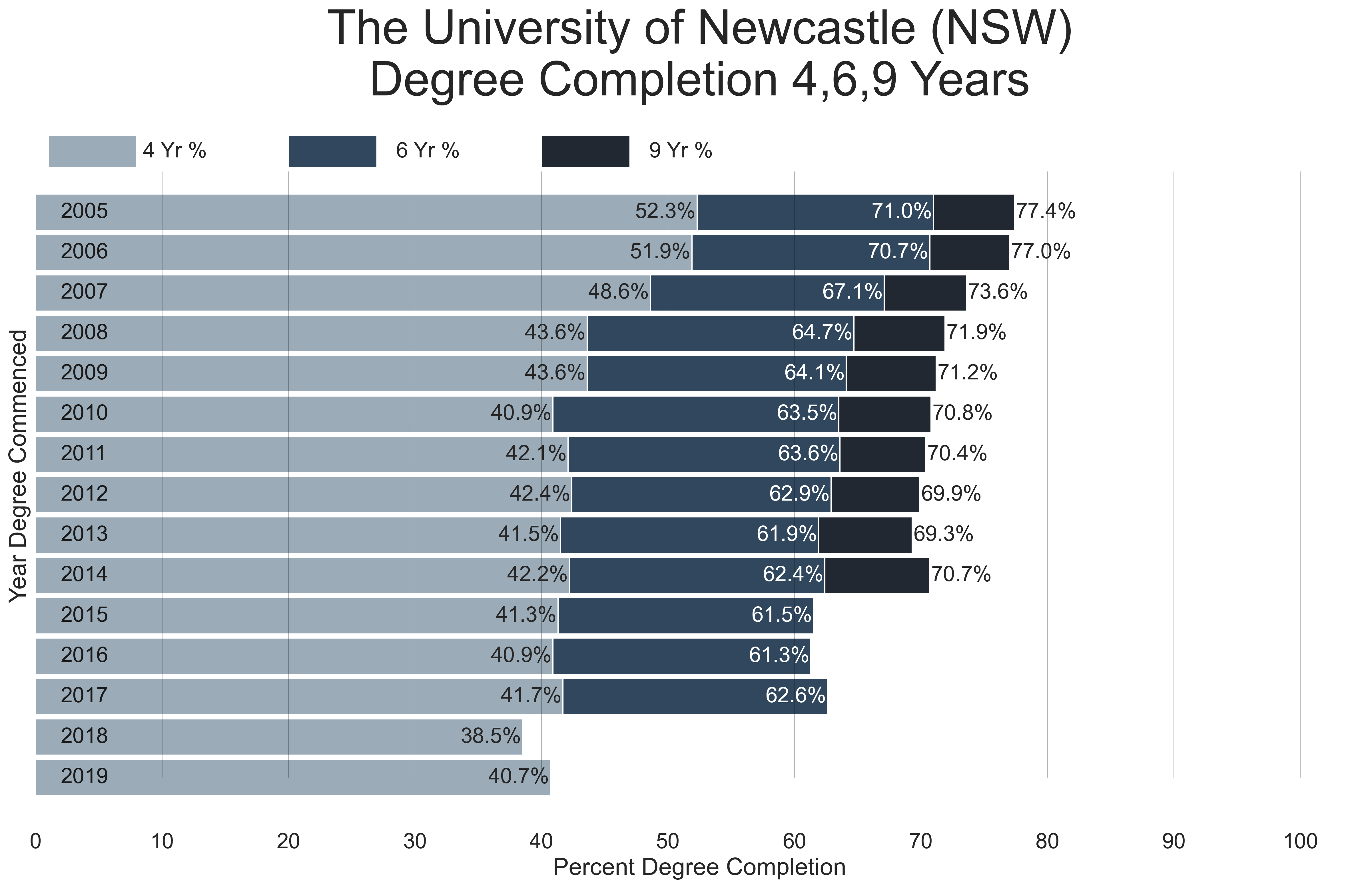
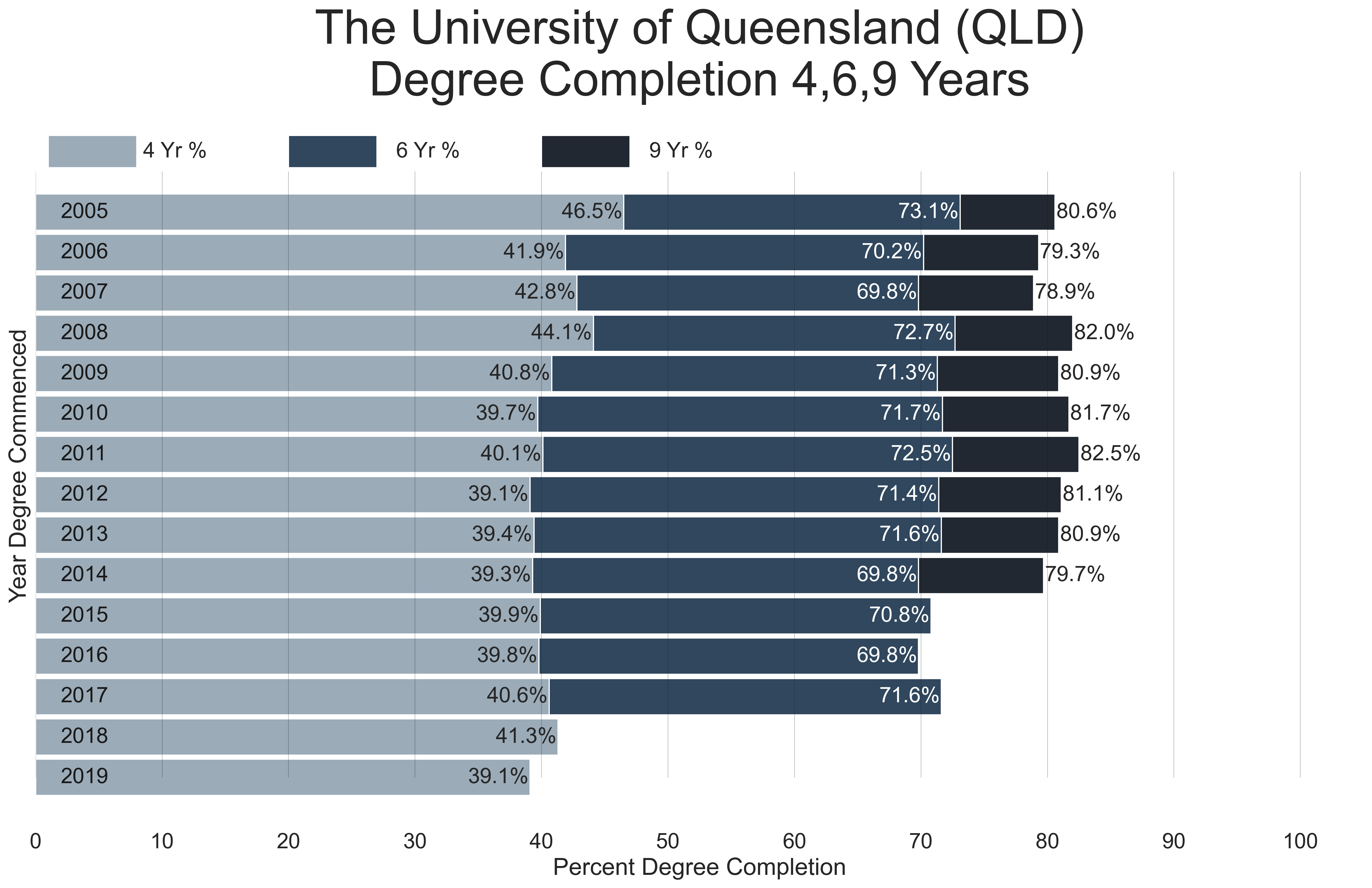
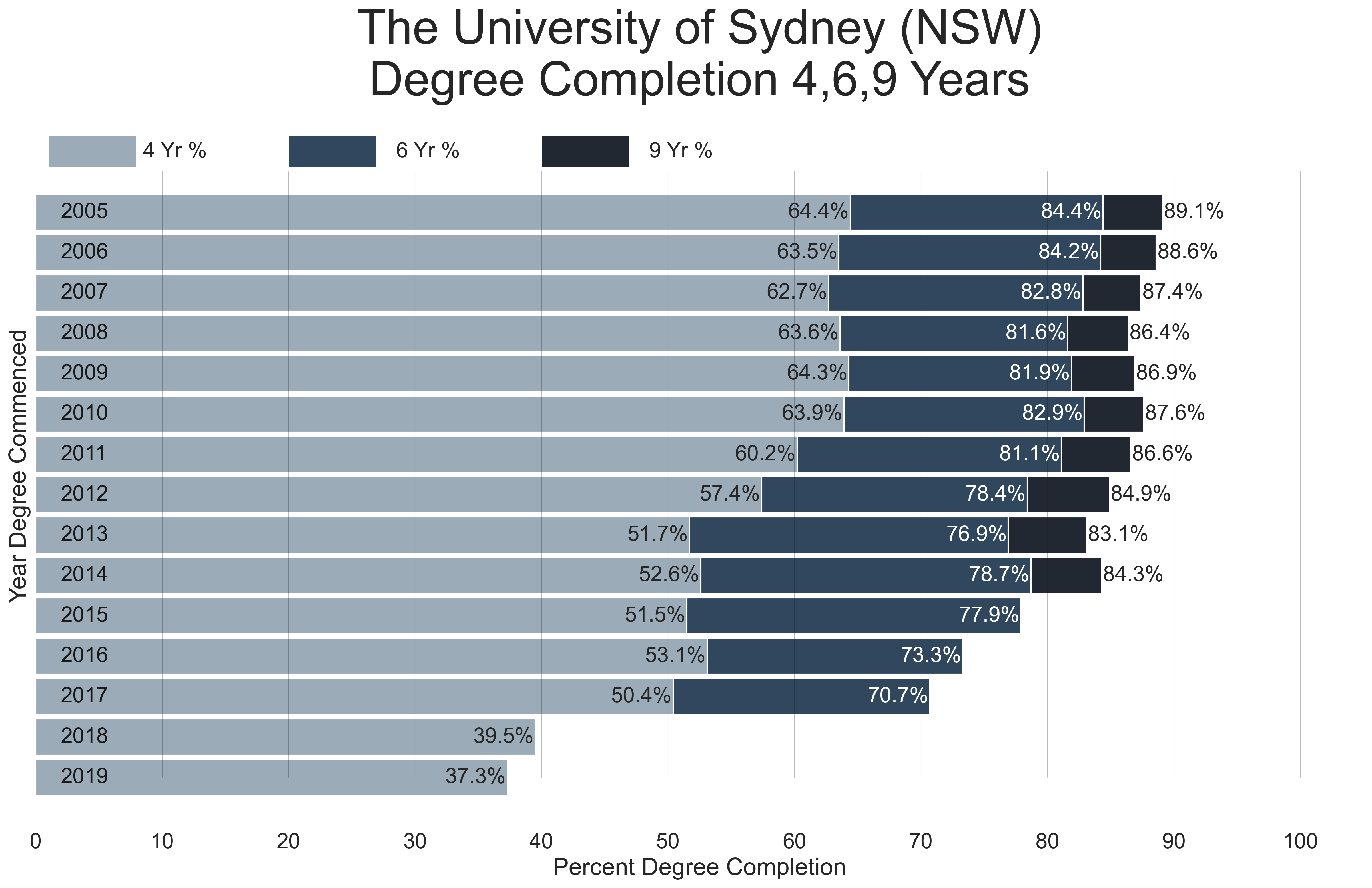
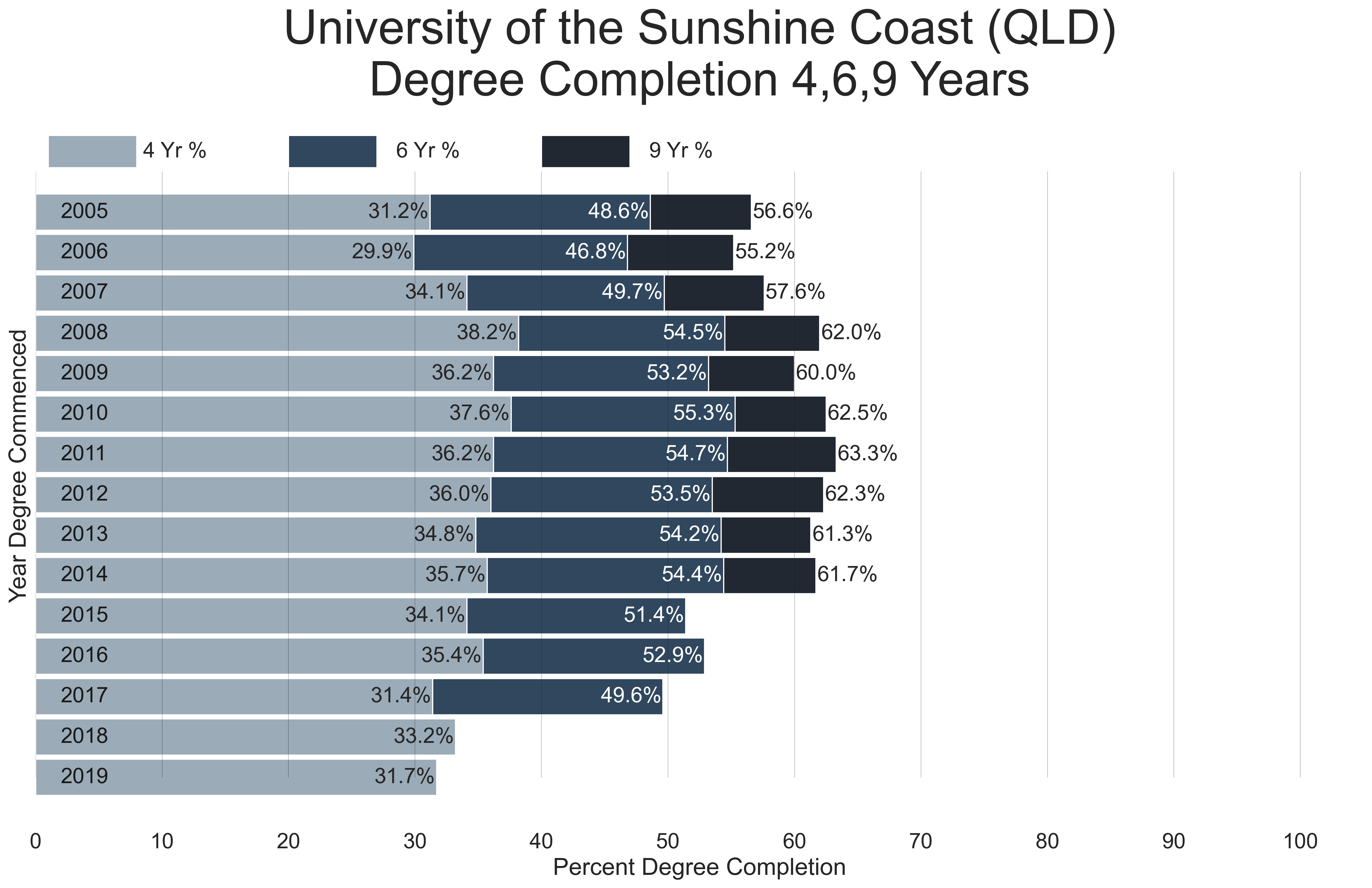
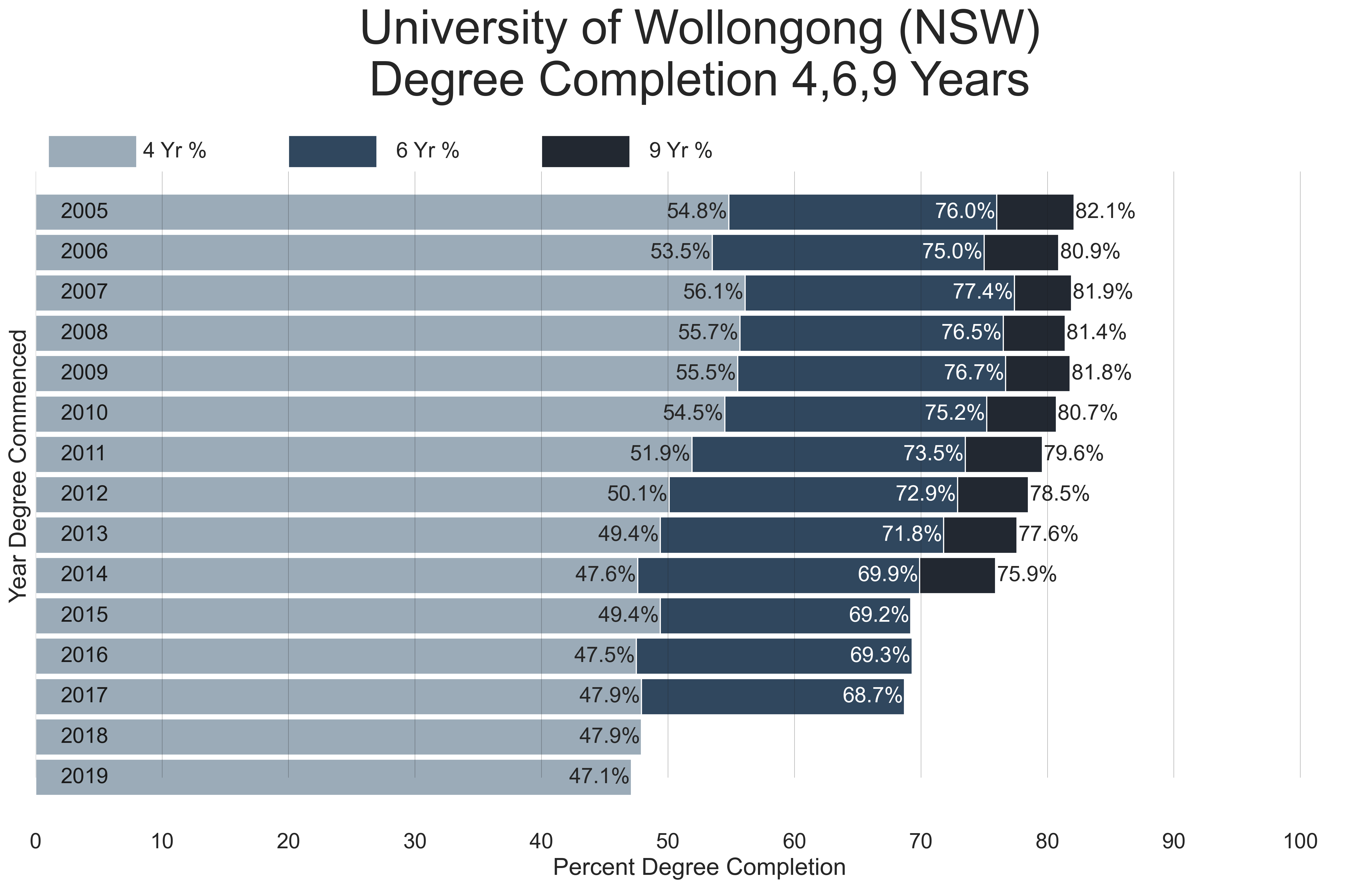
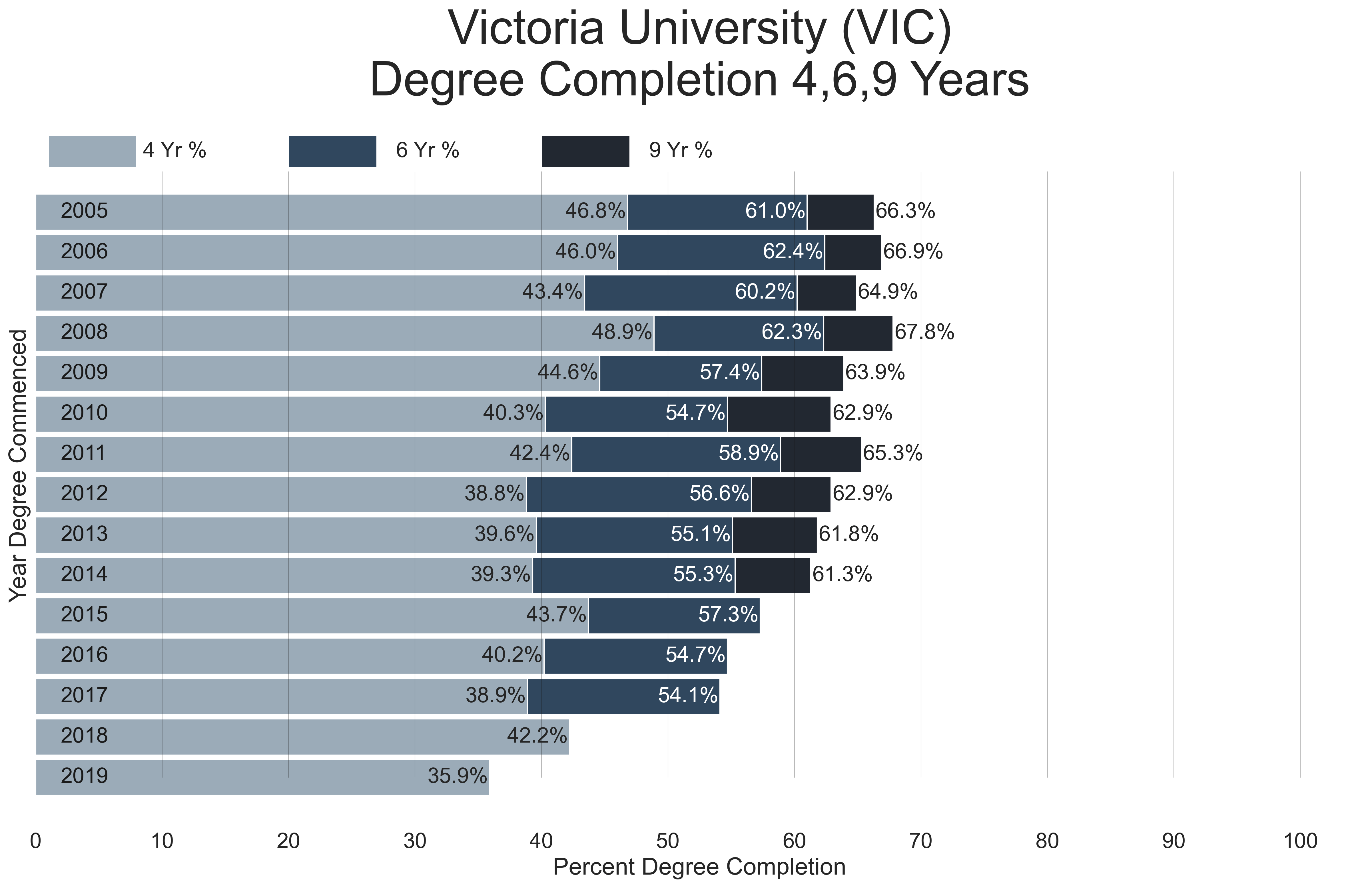
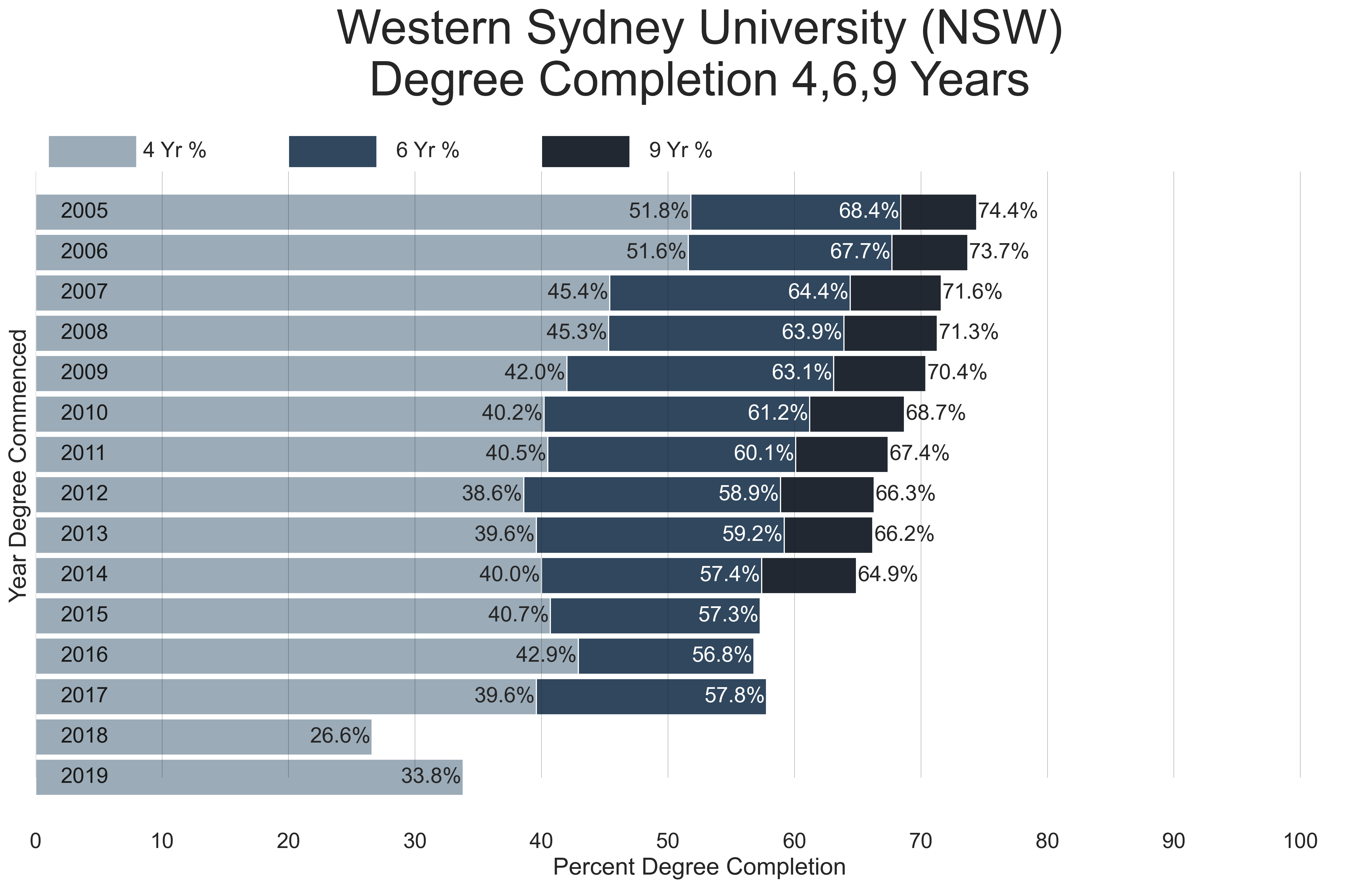
Completion Rates by Institution
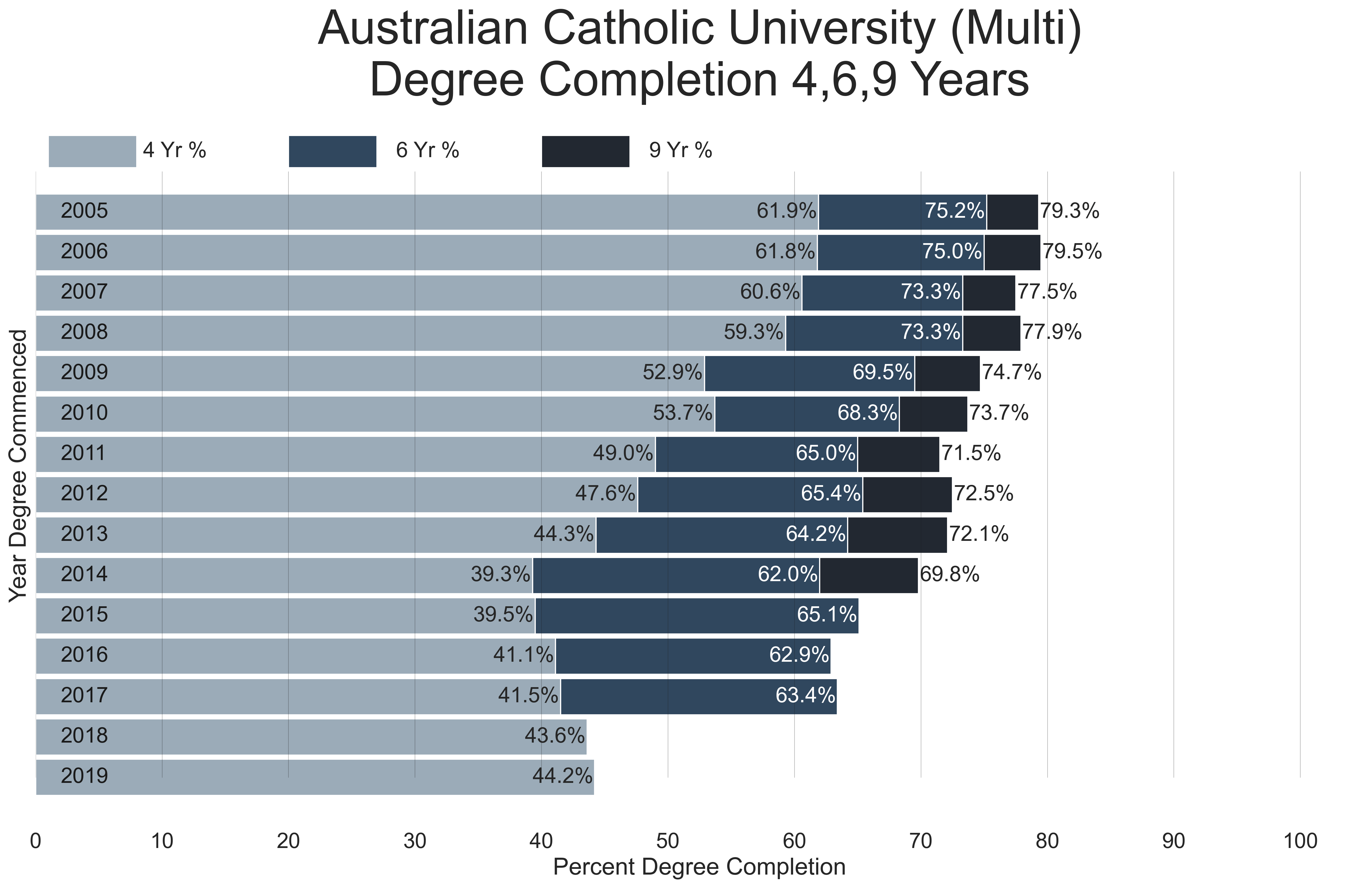
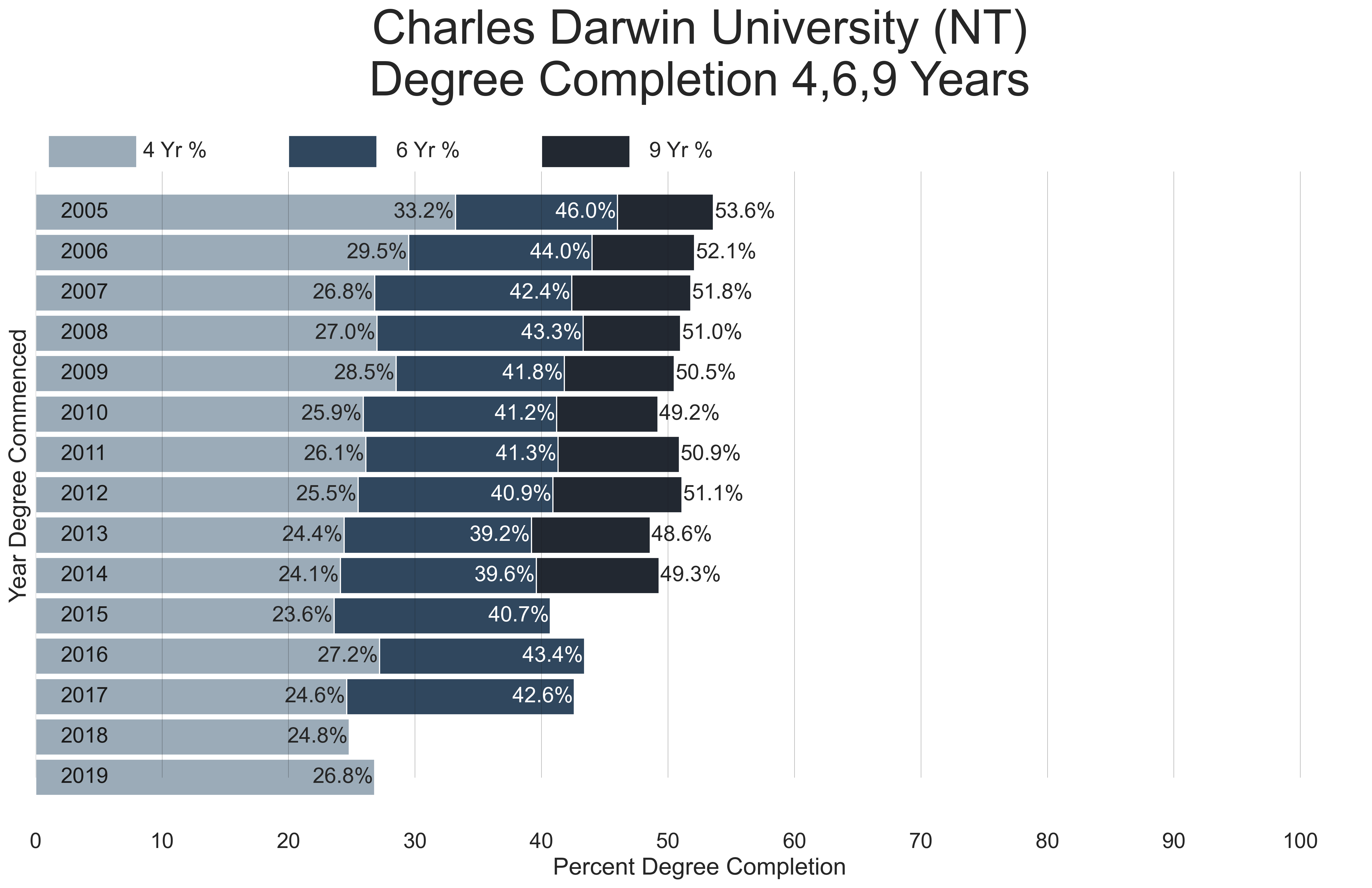
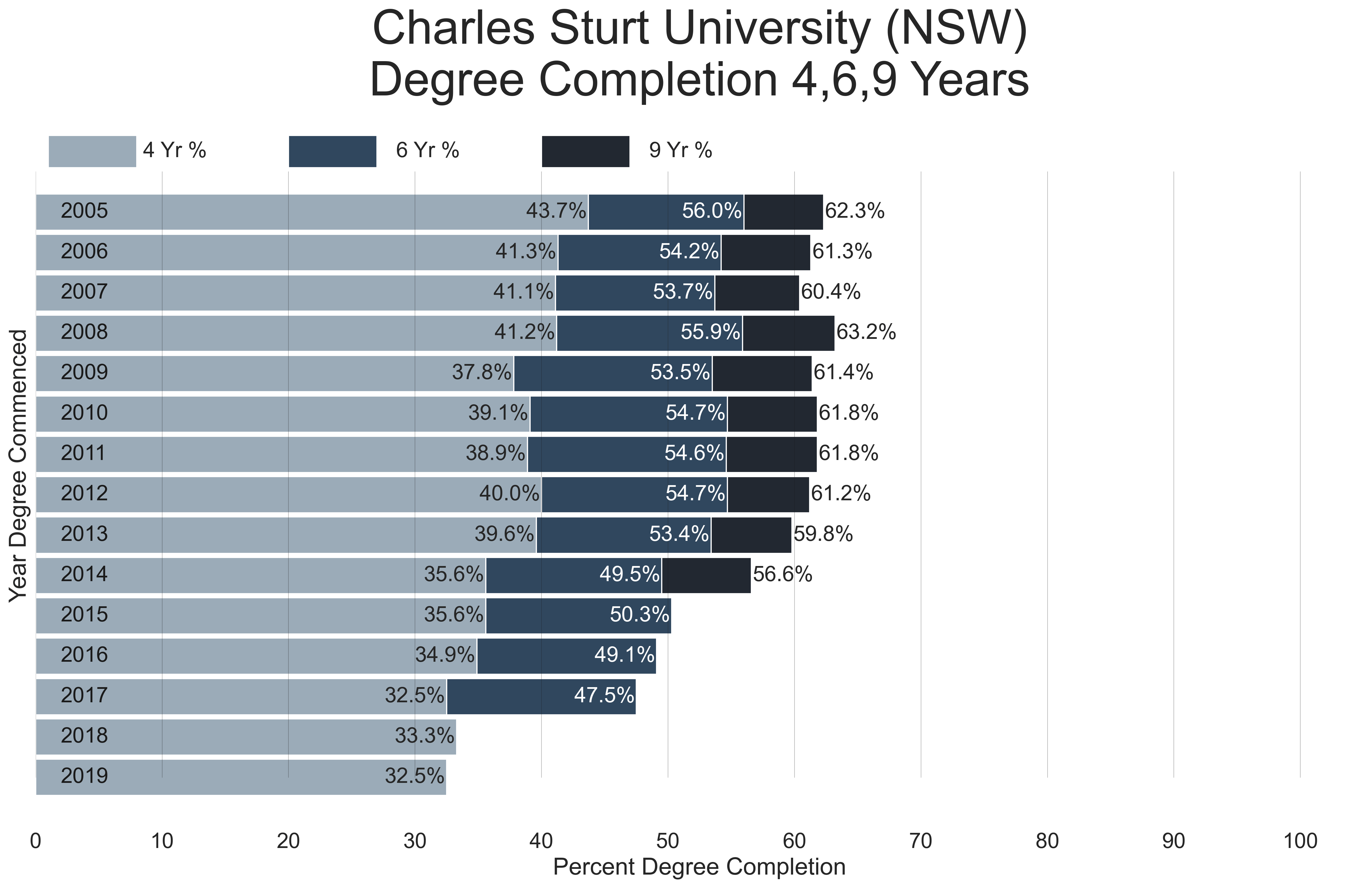
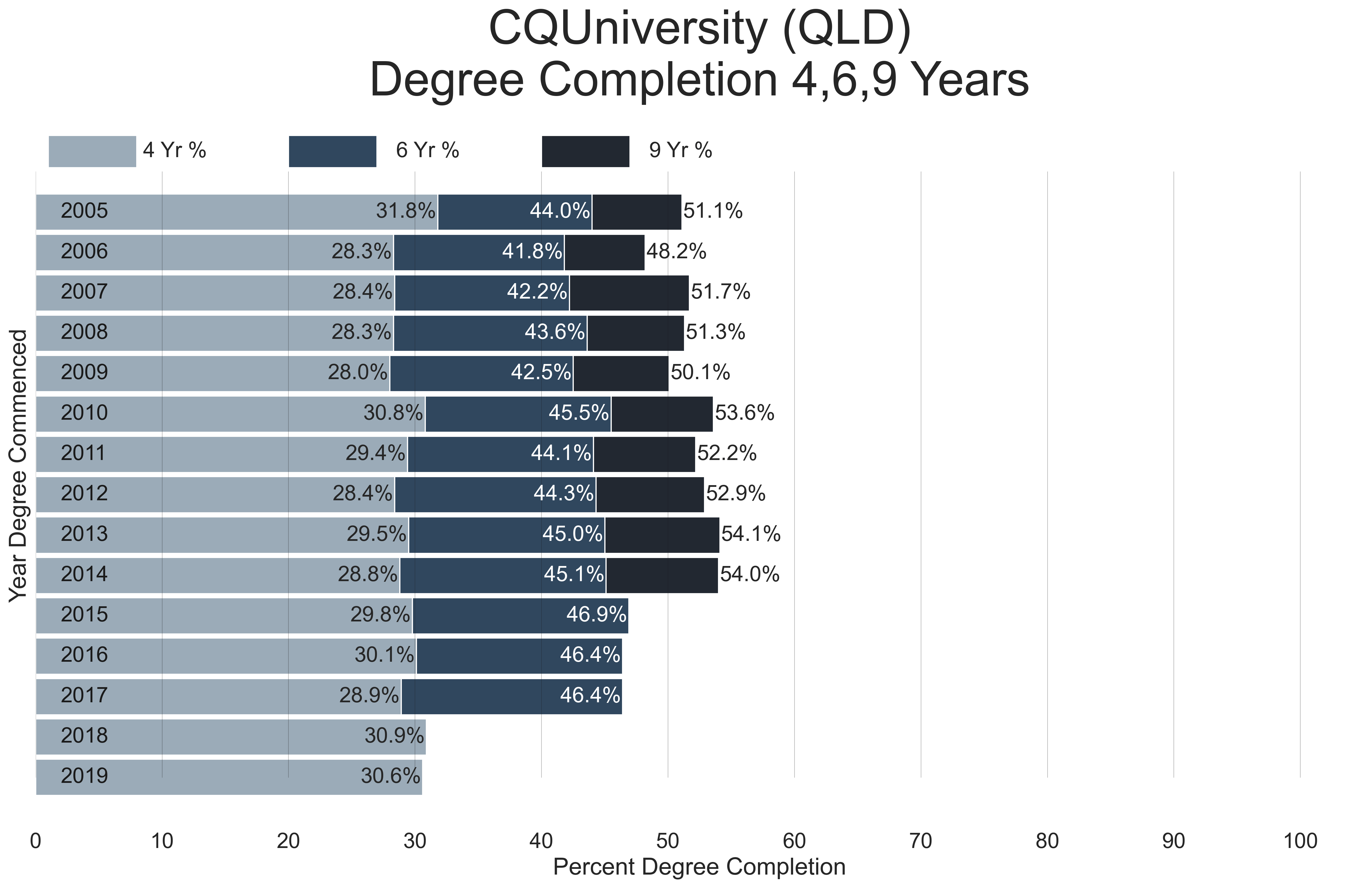
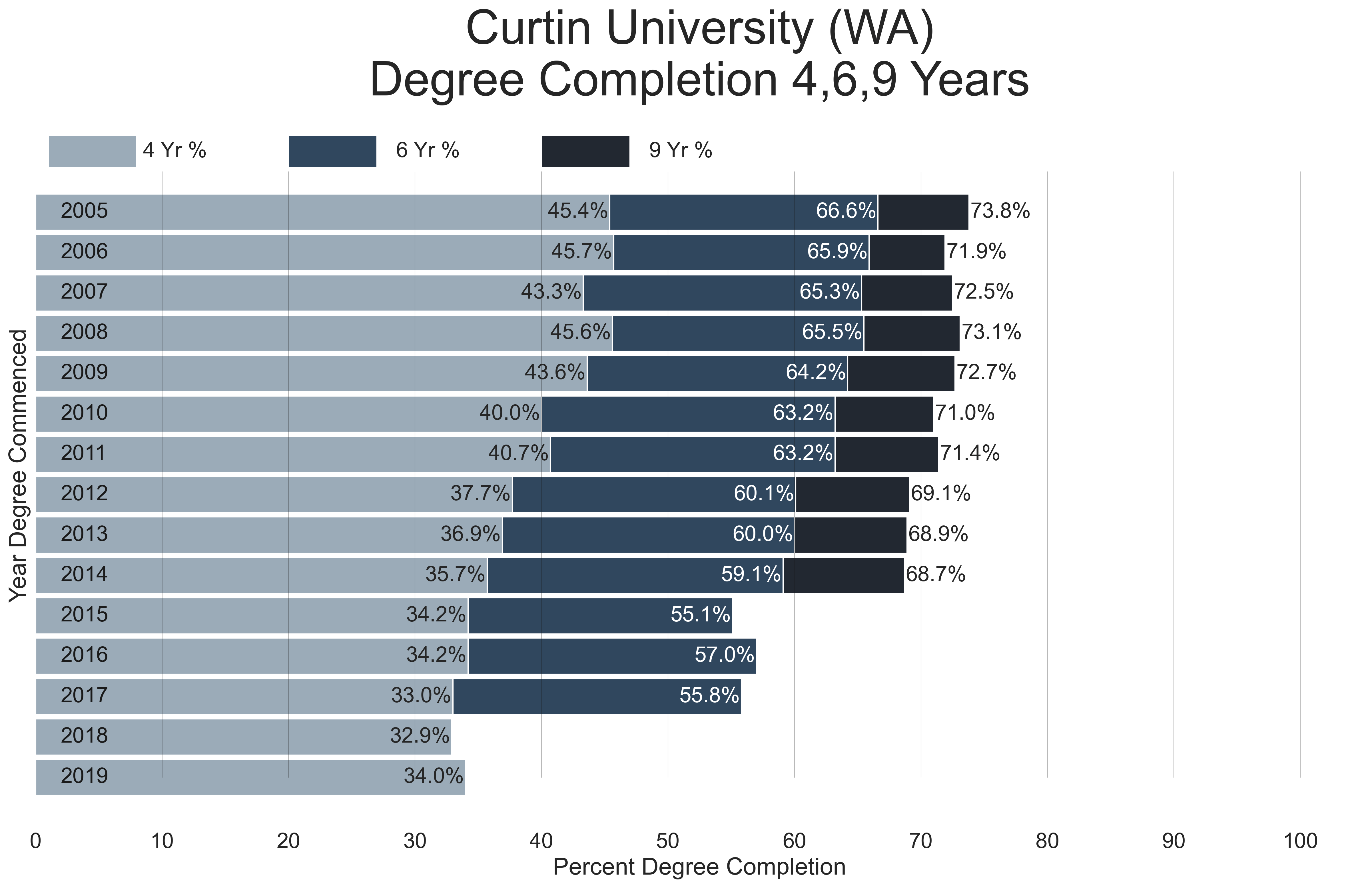
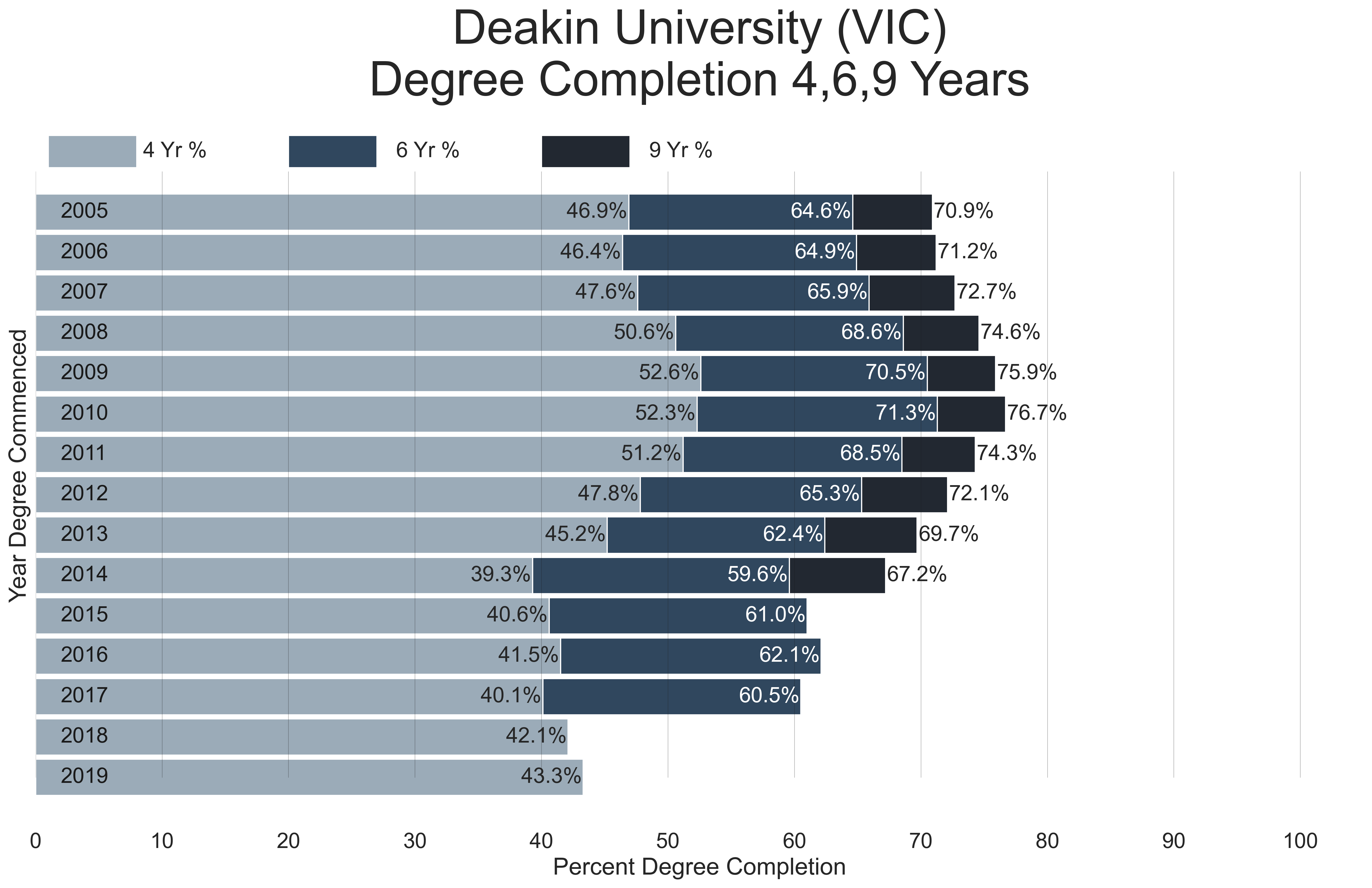
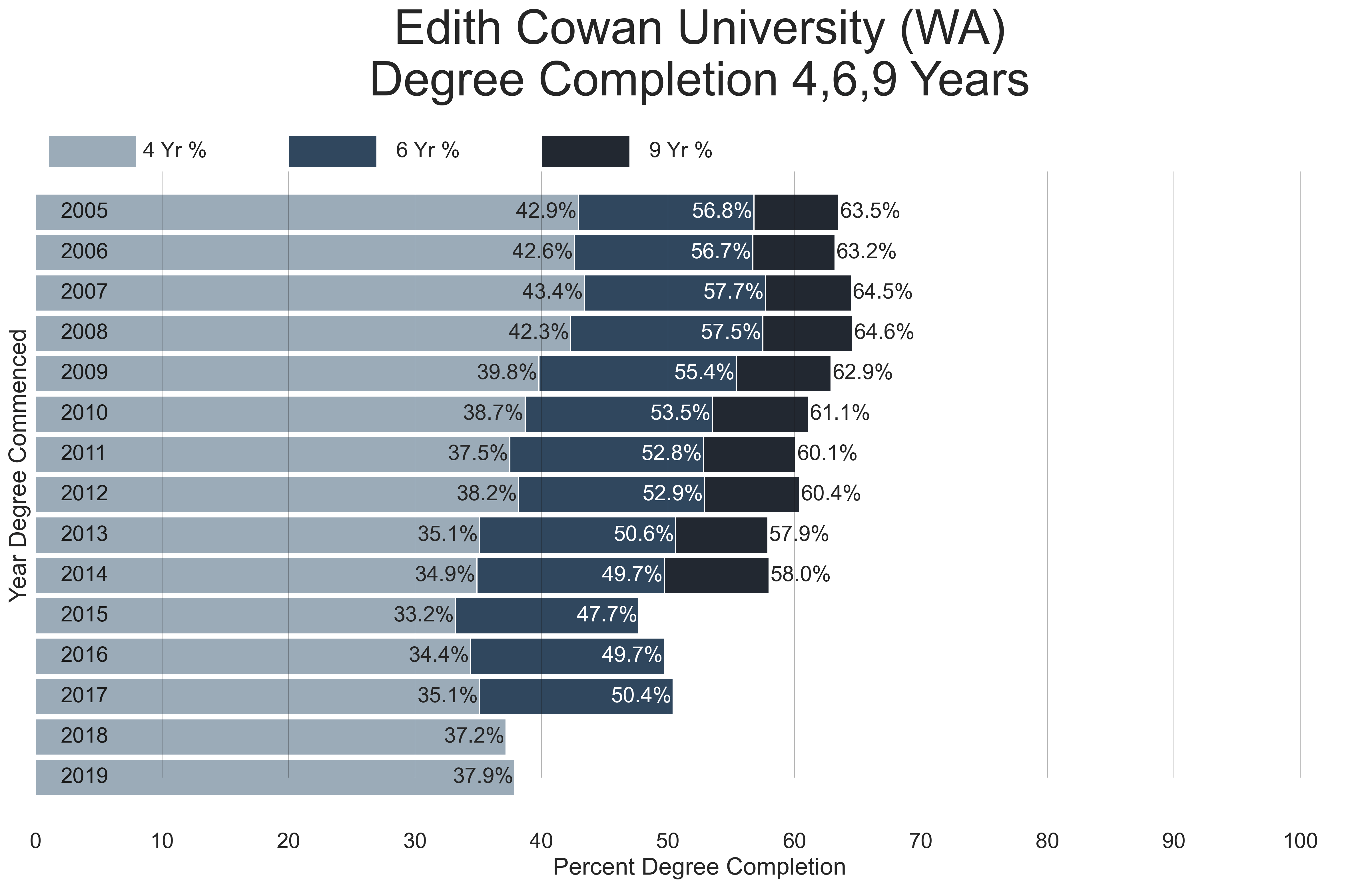
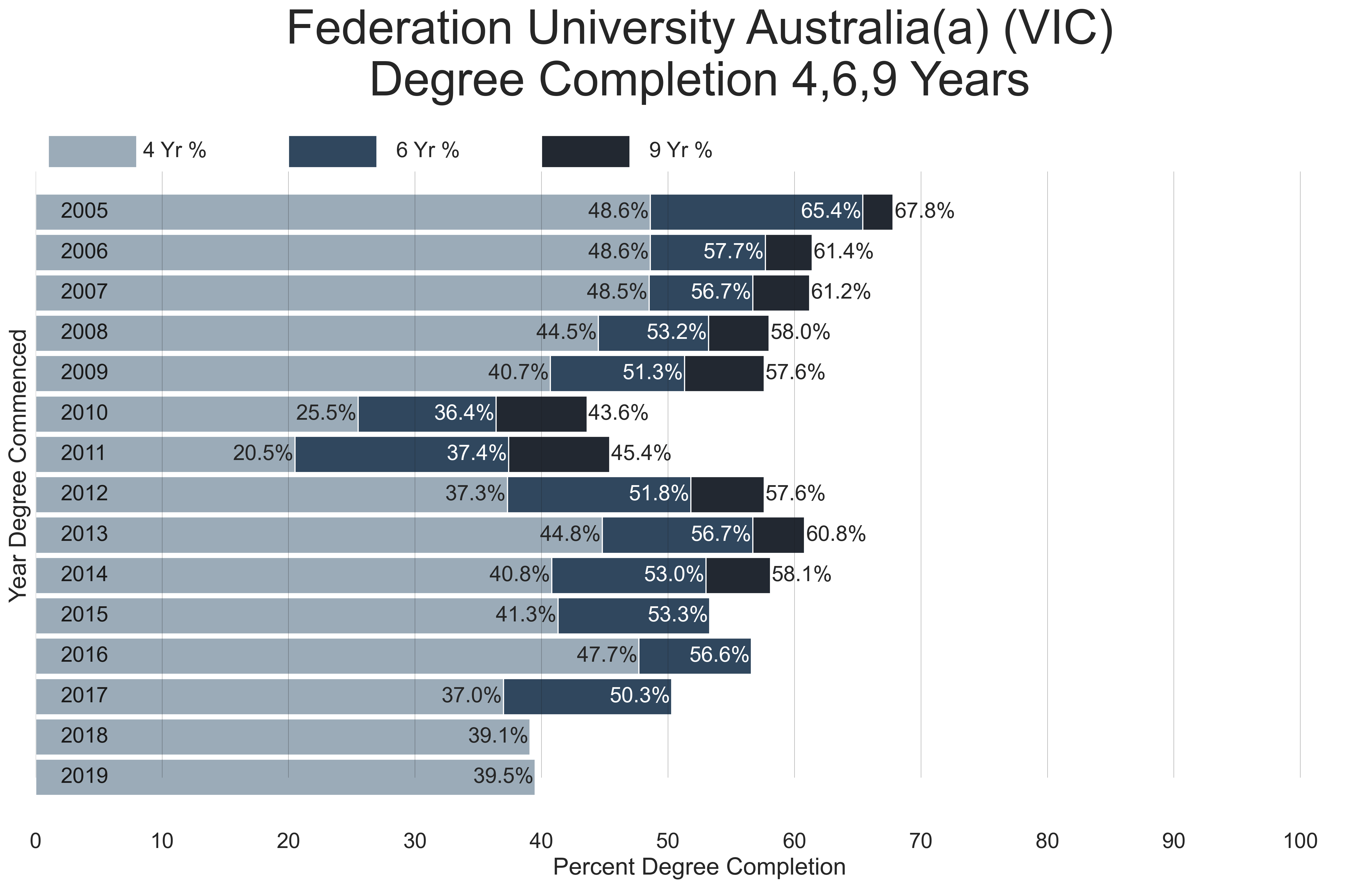
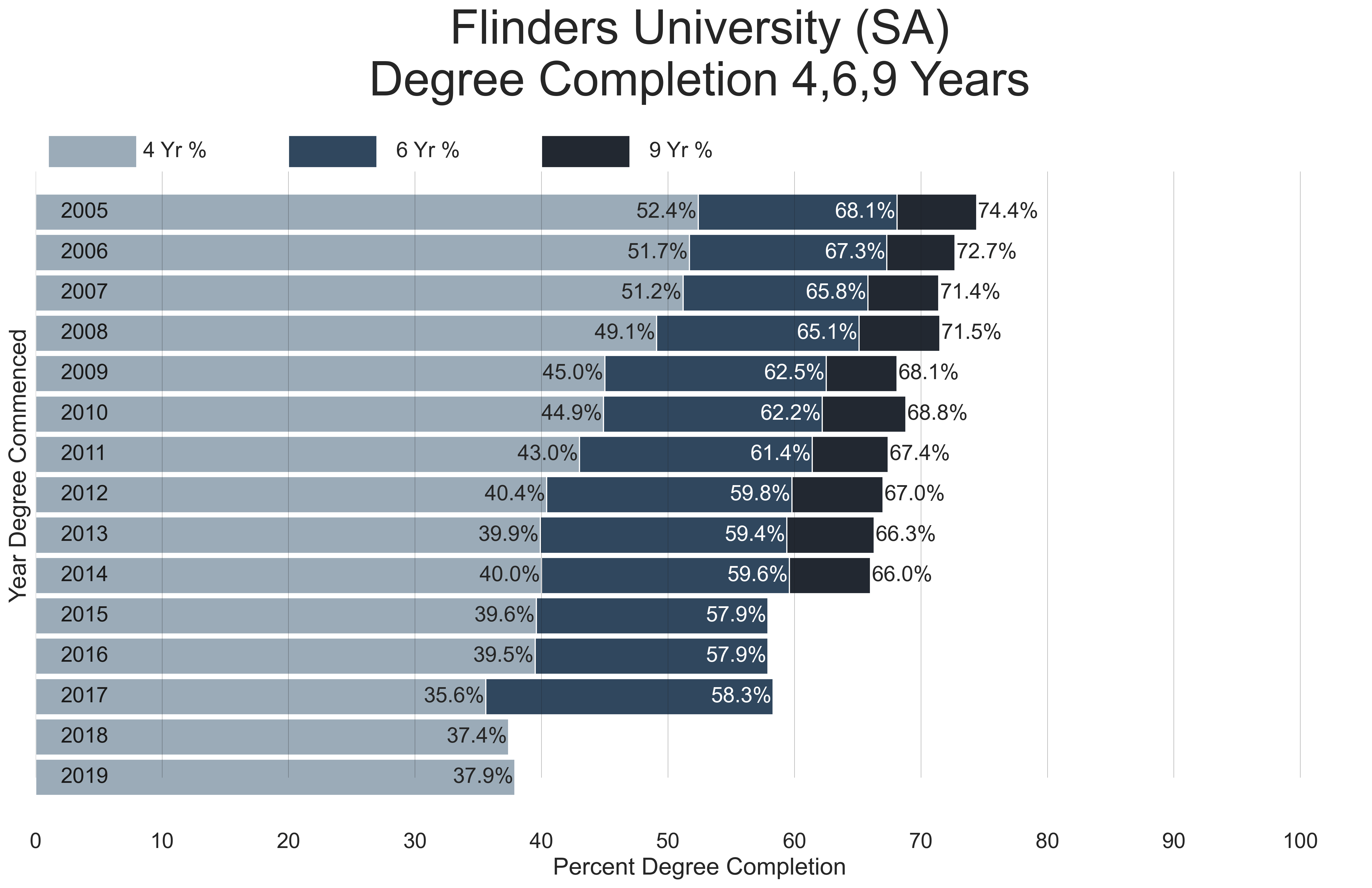
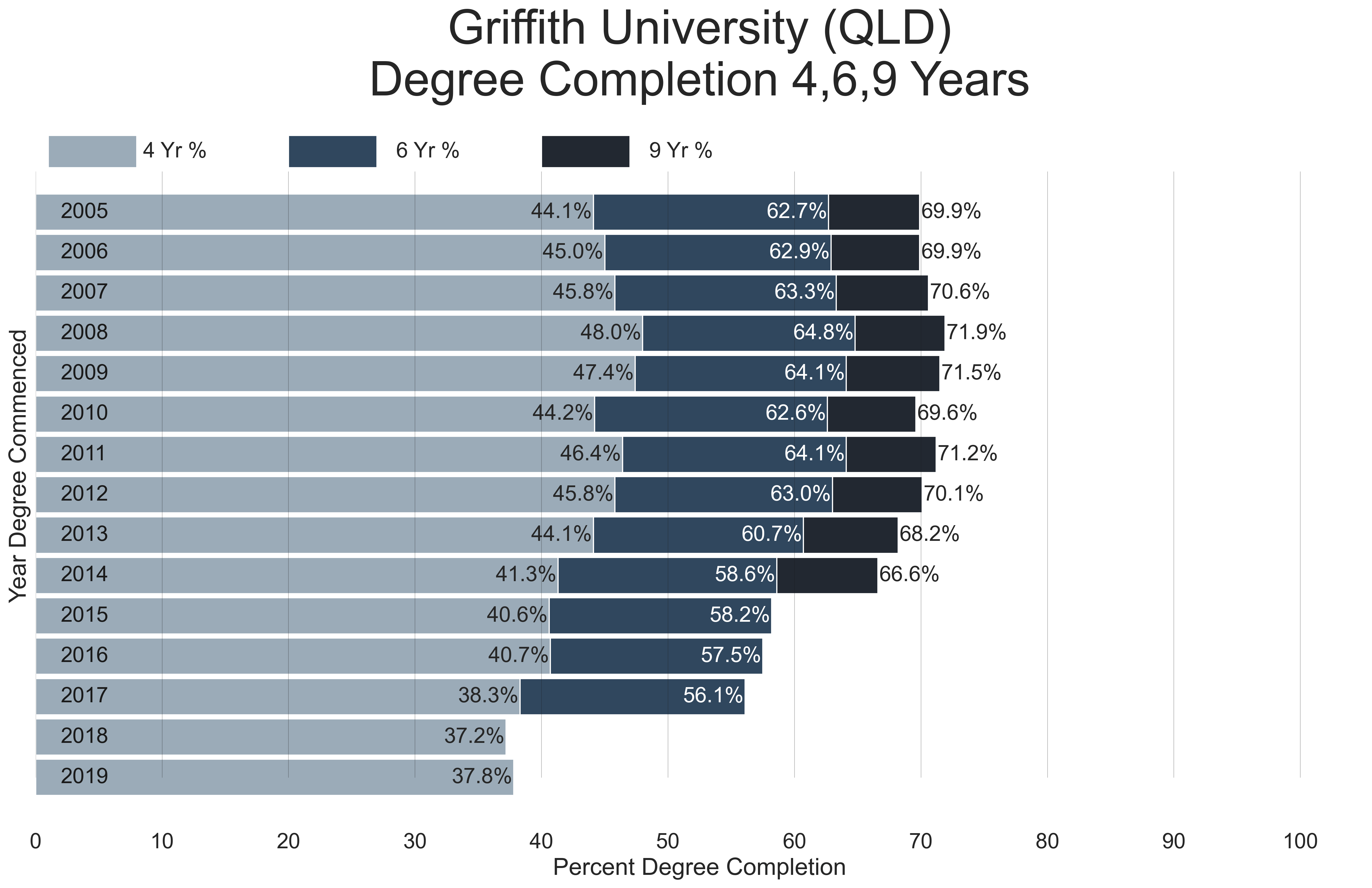
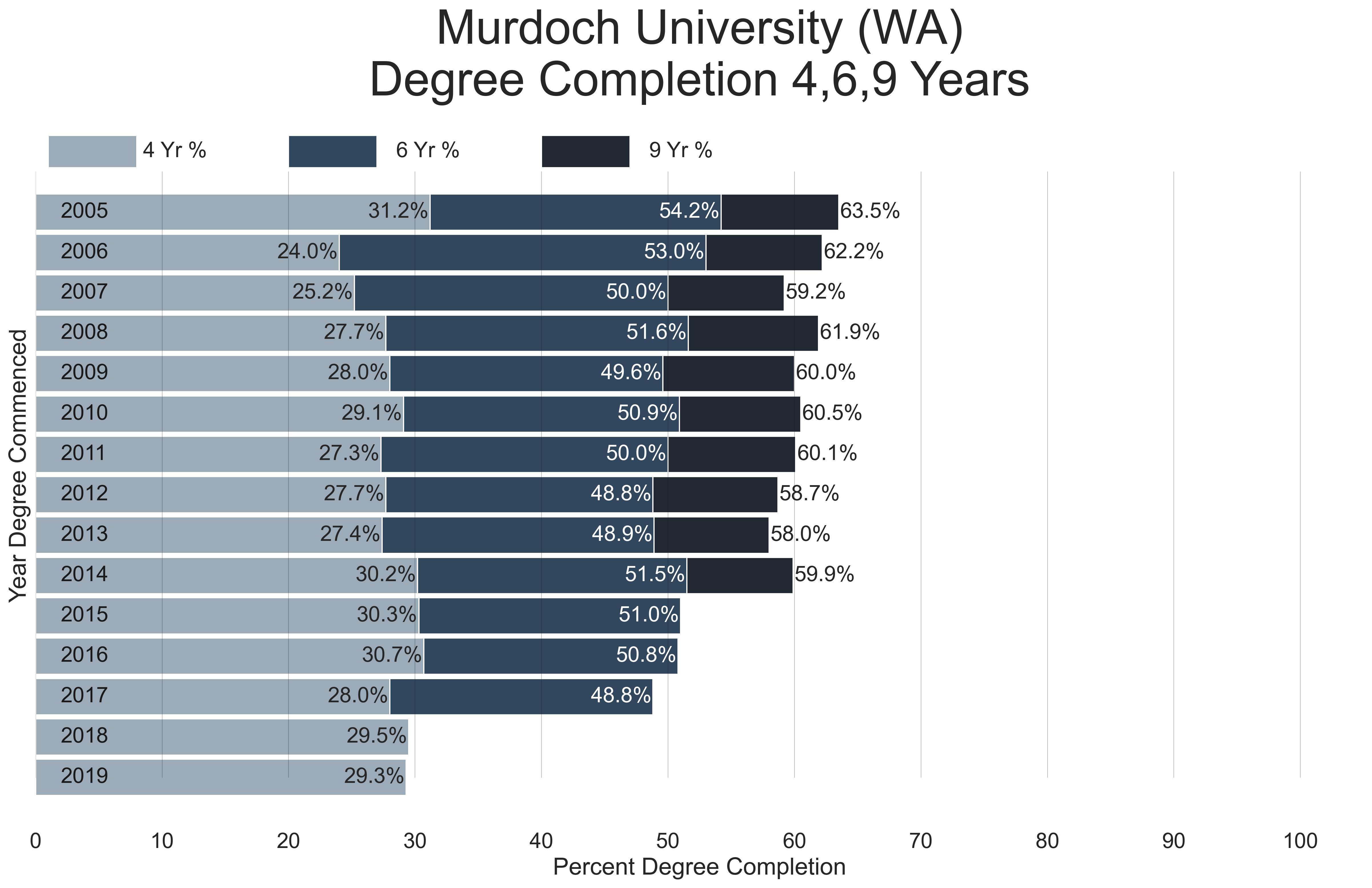
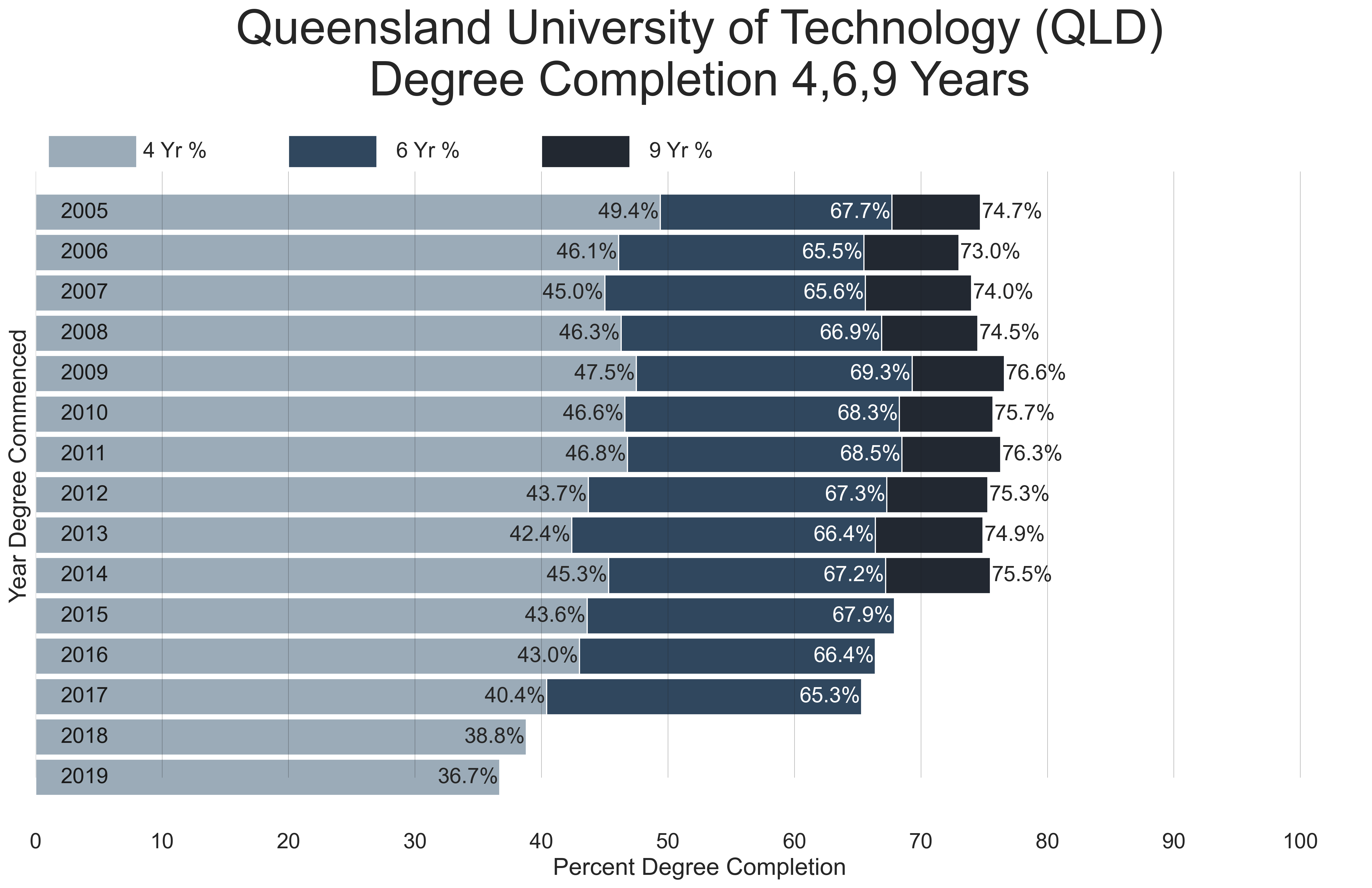
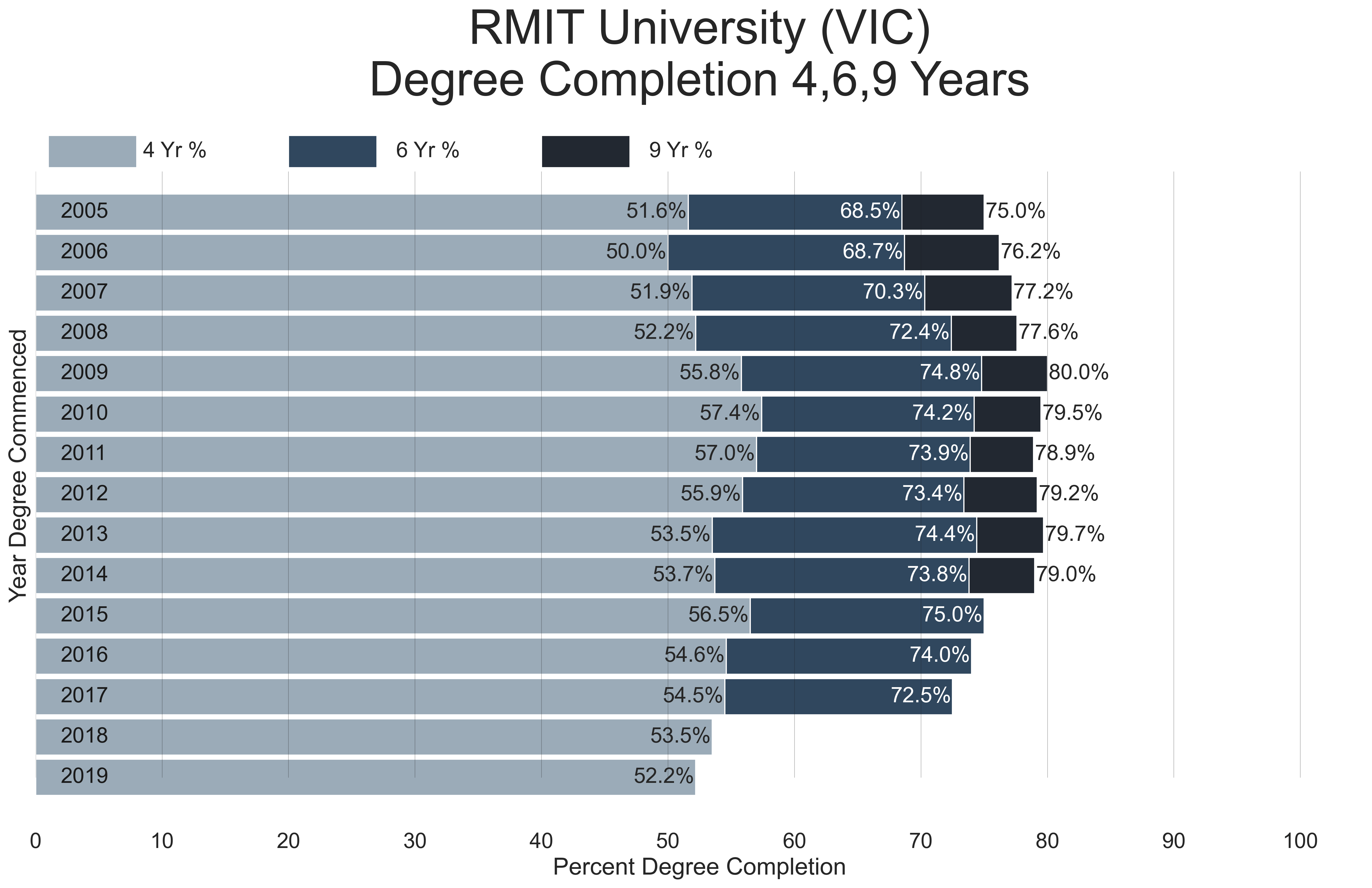
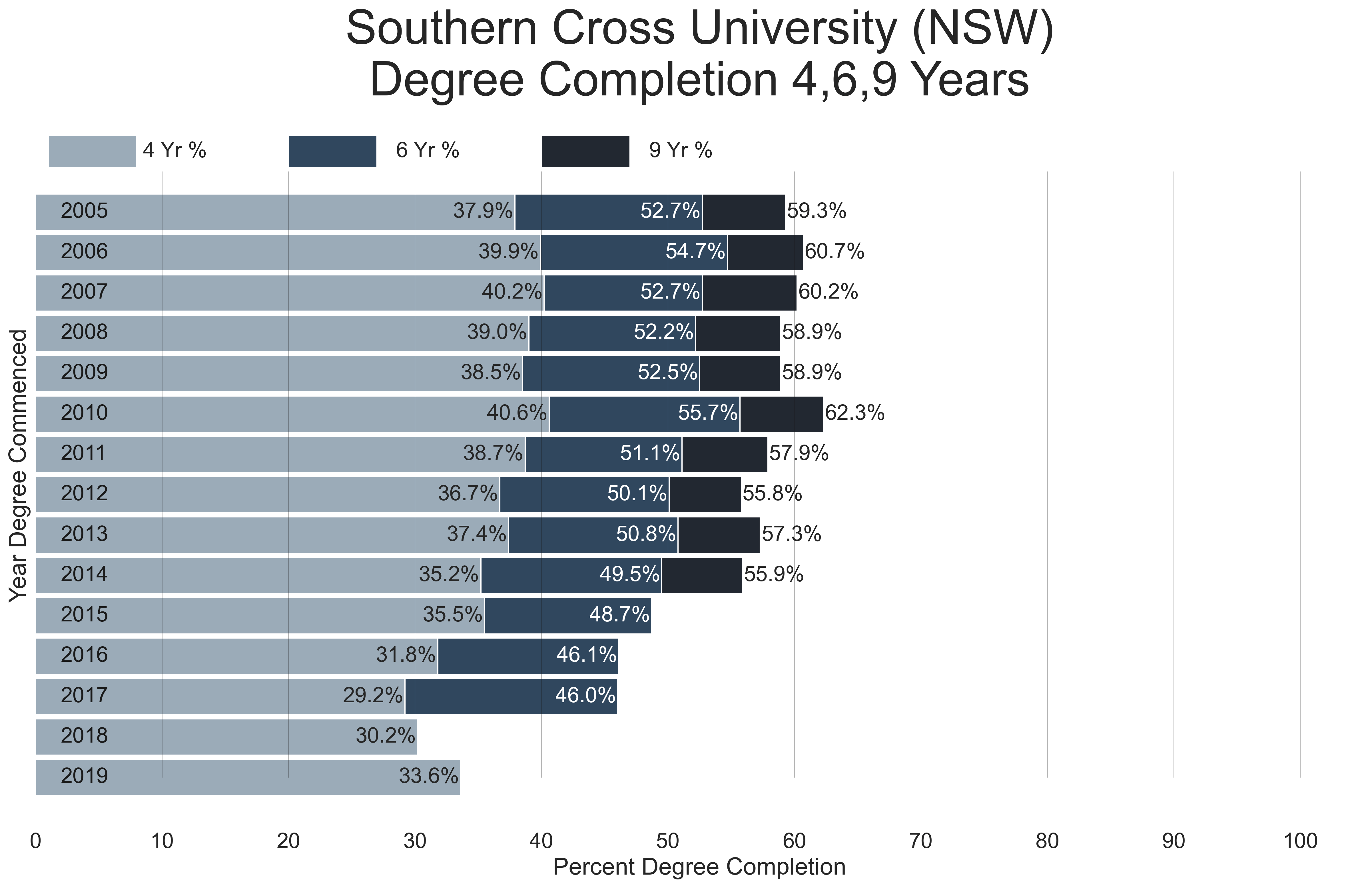
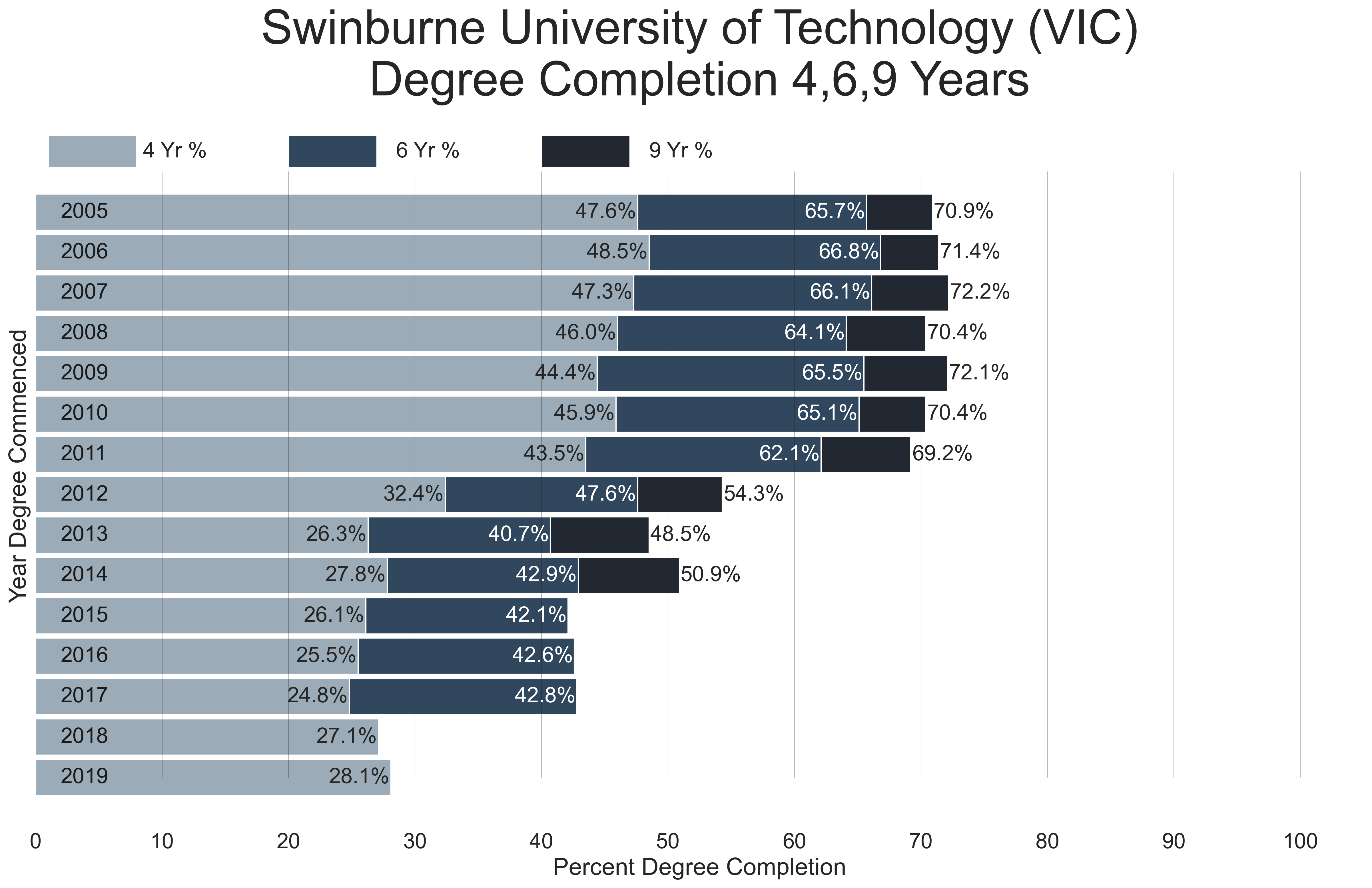
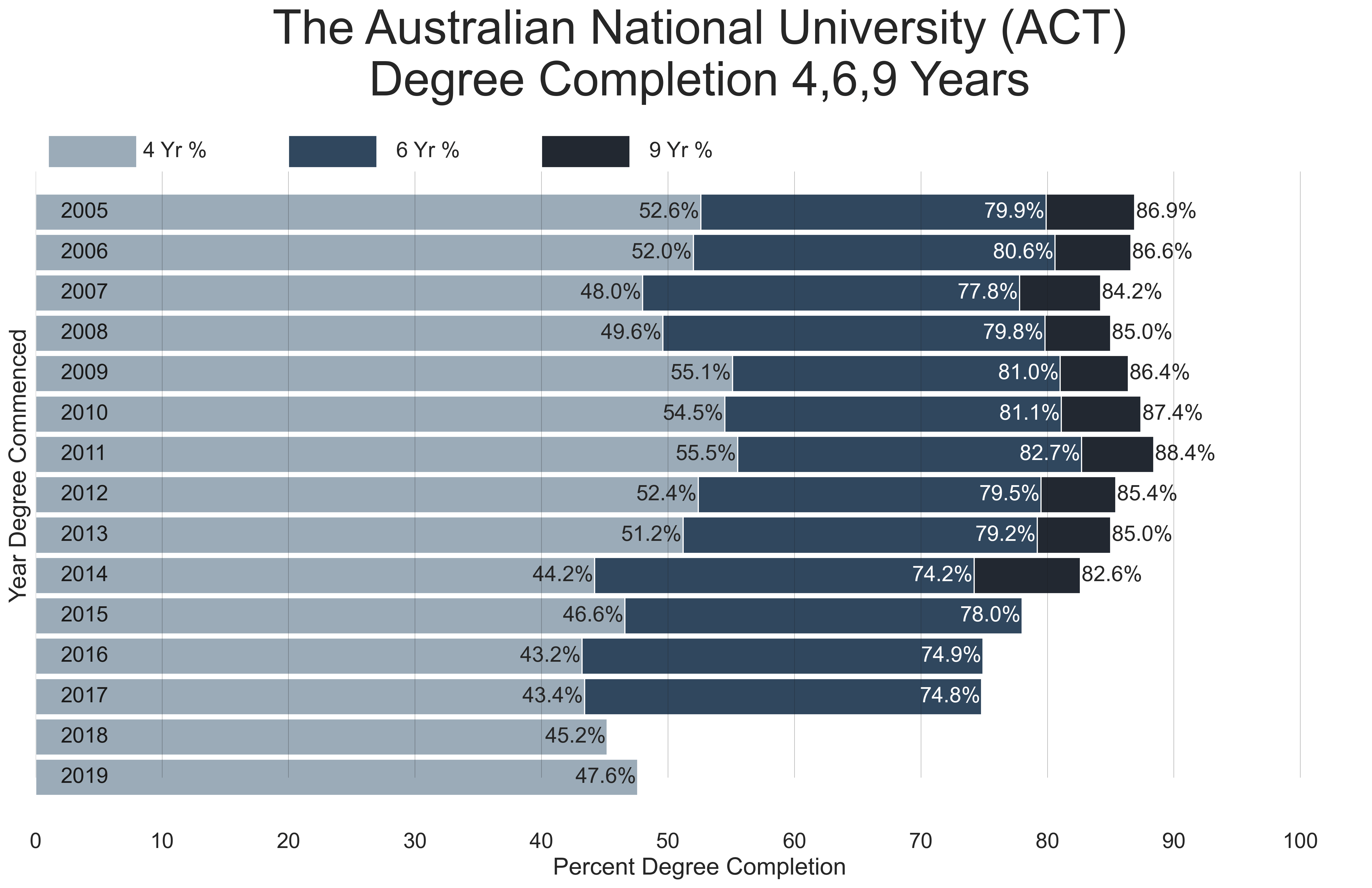
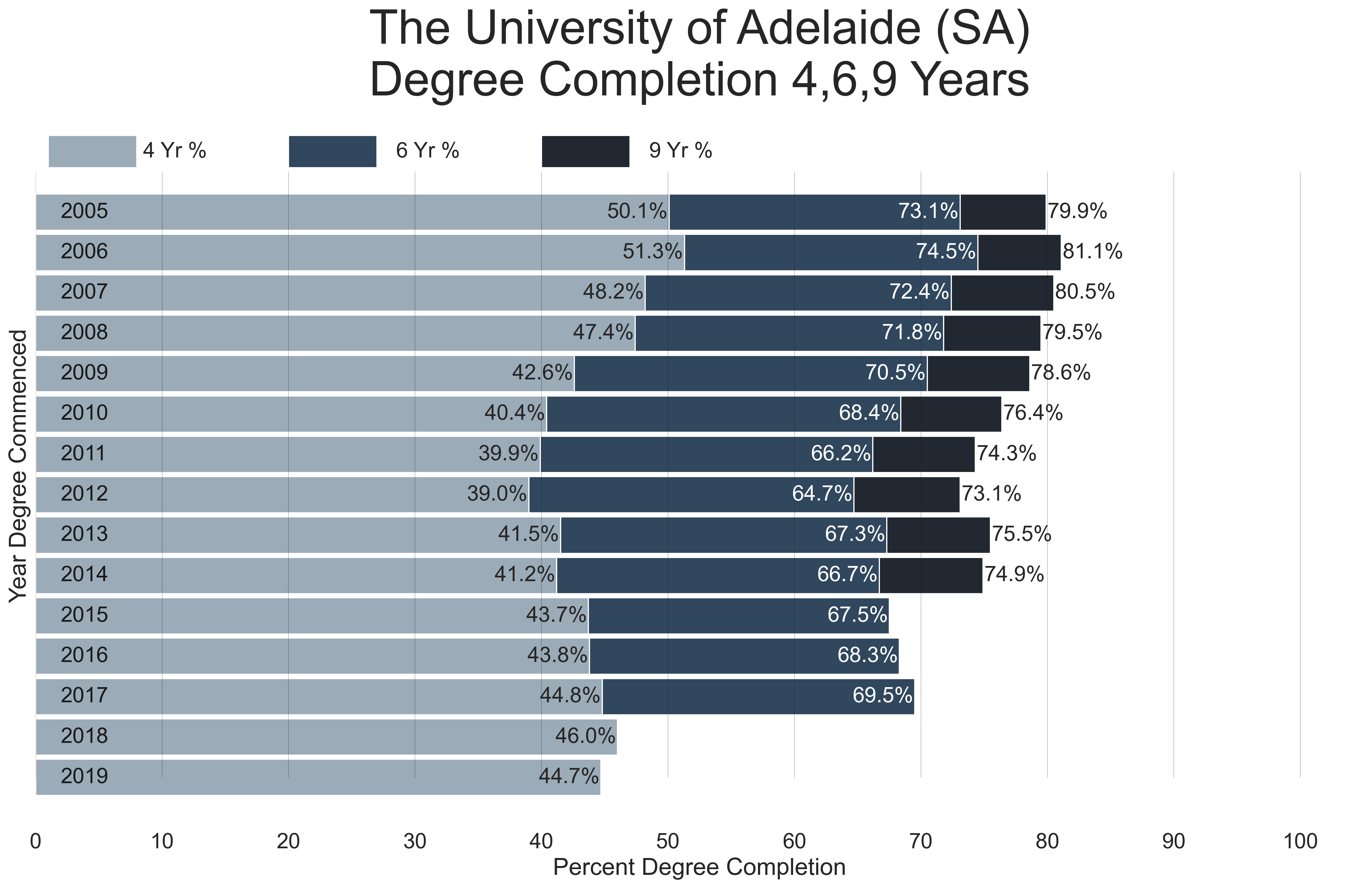
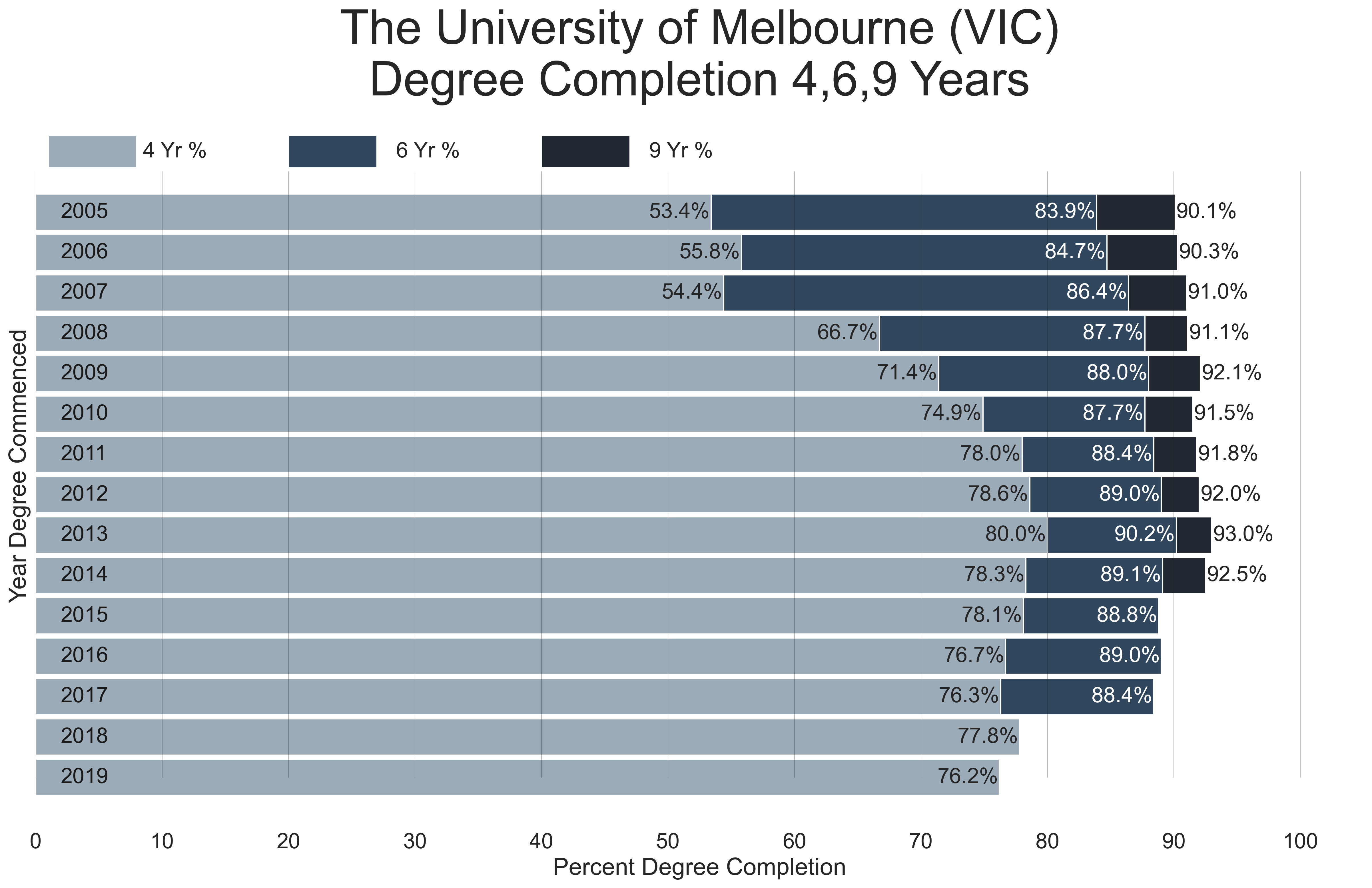
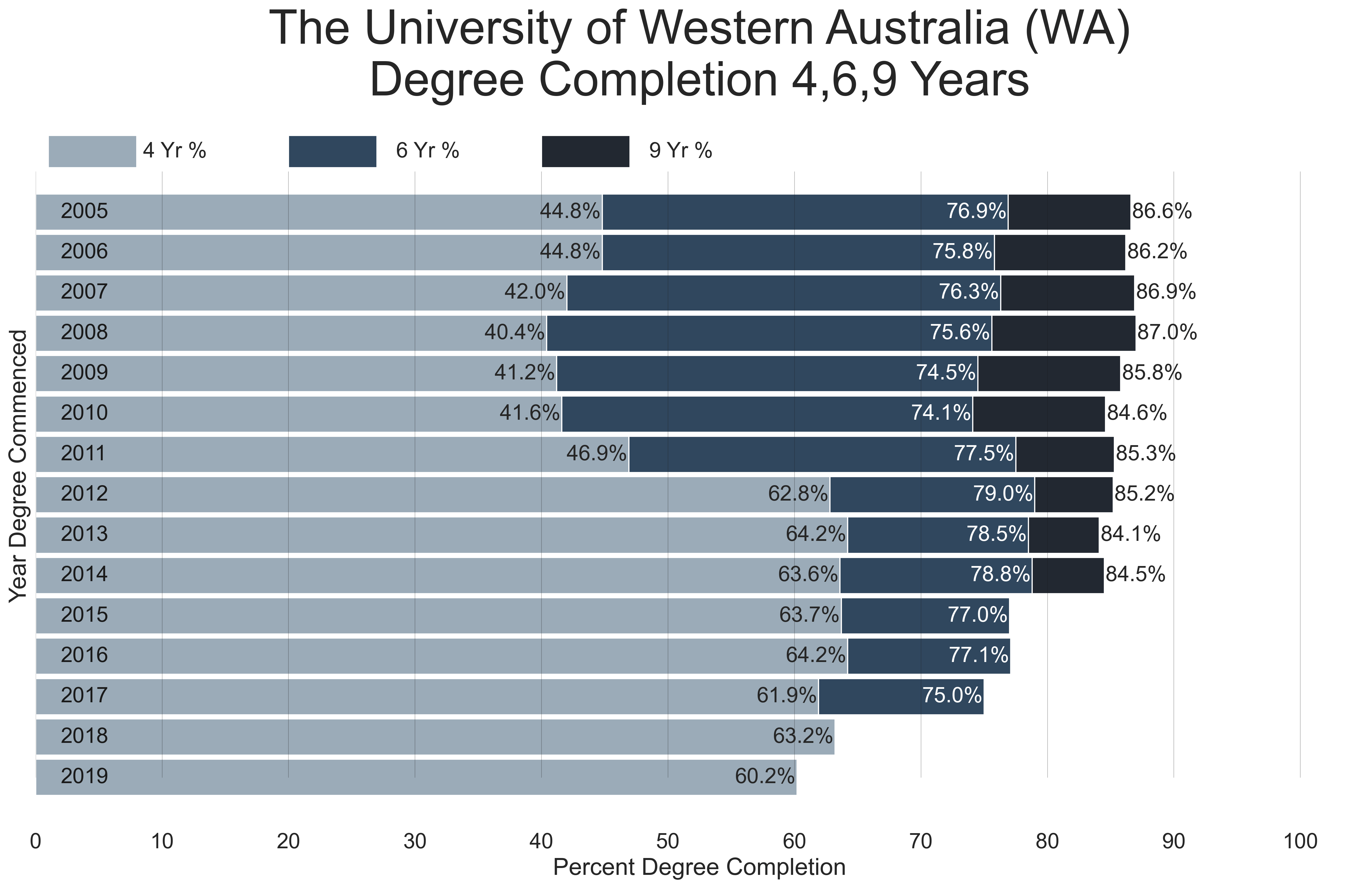
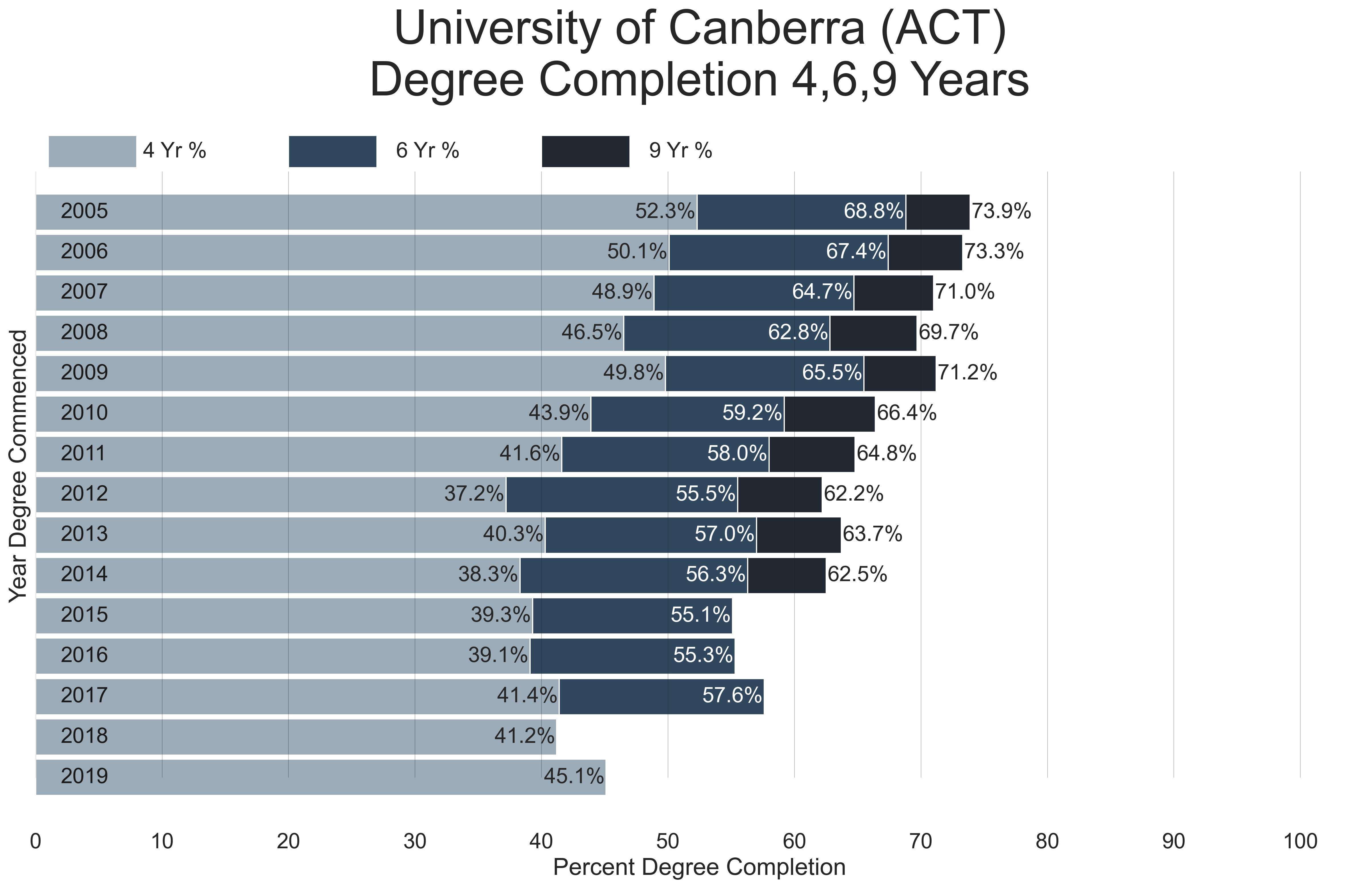
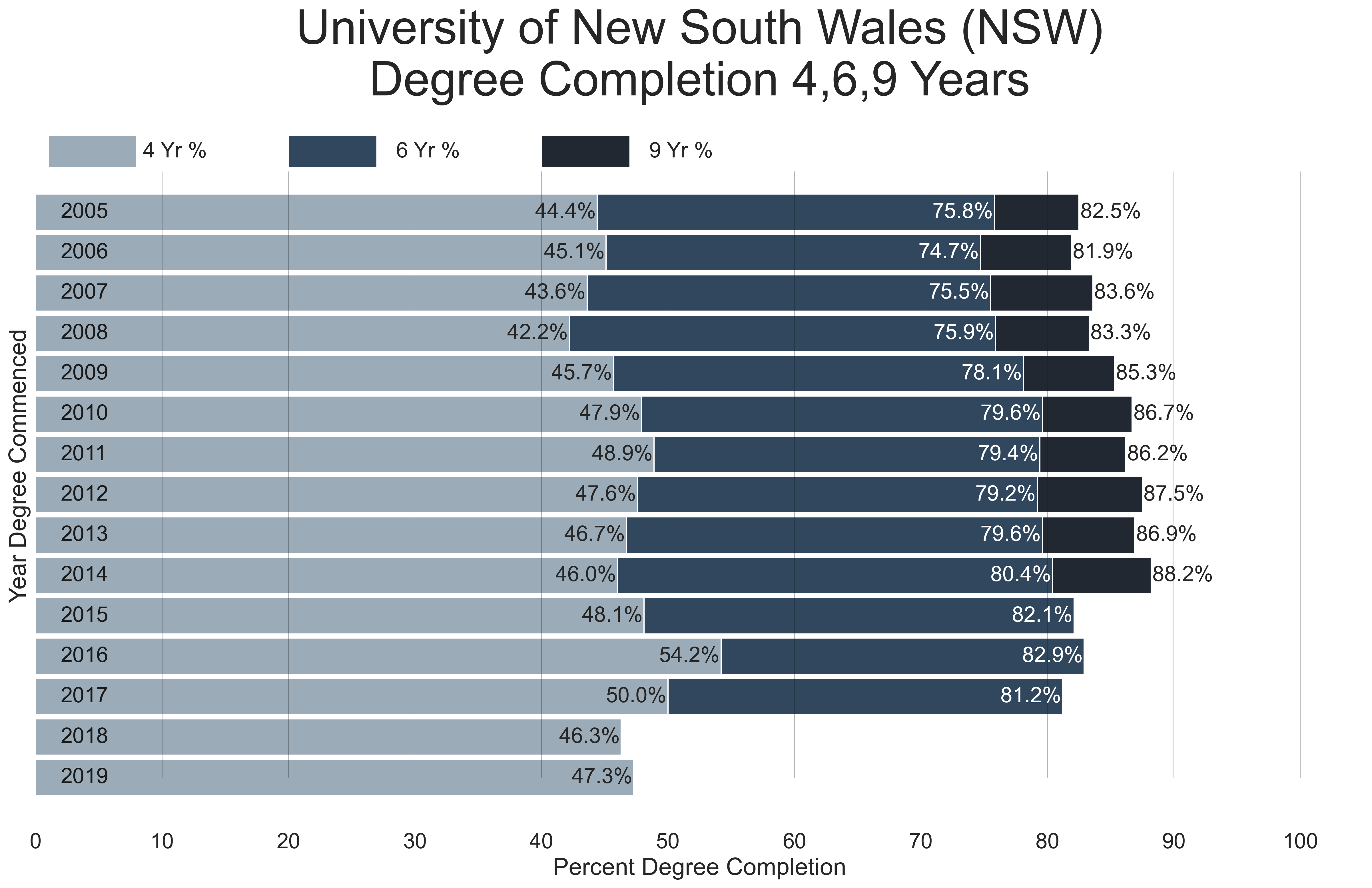
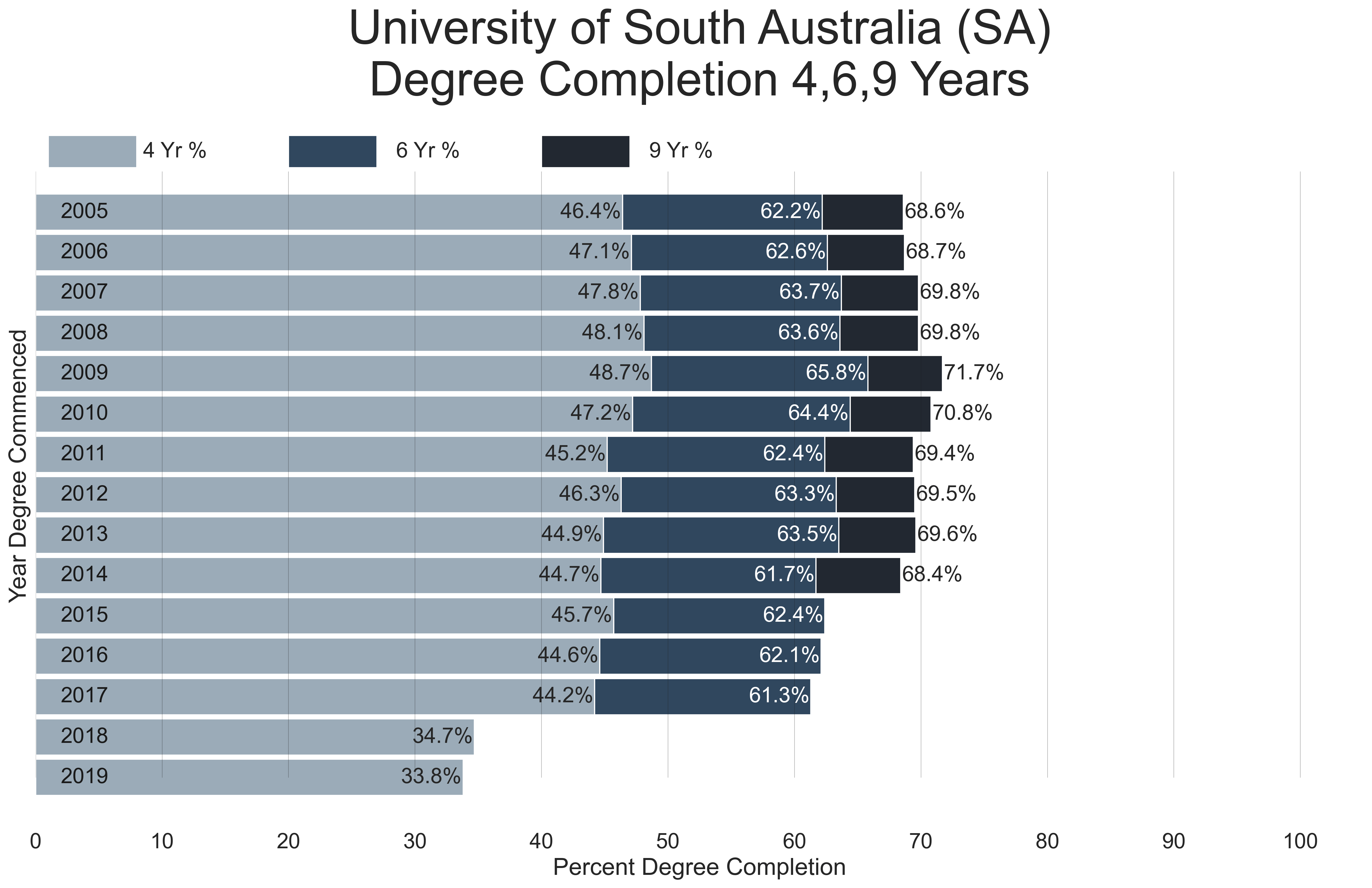
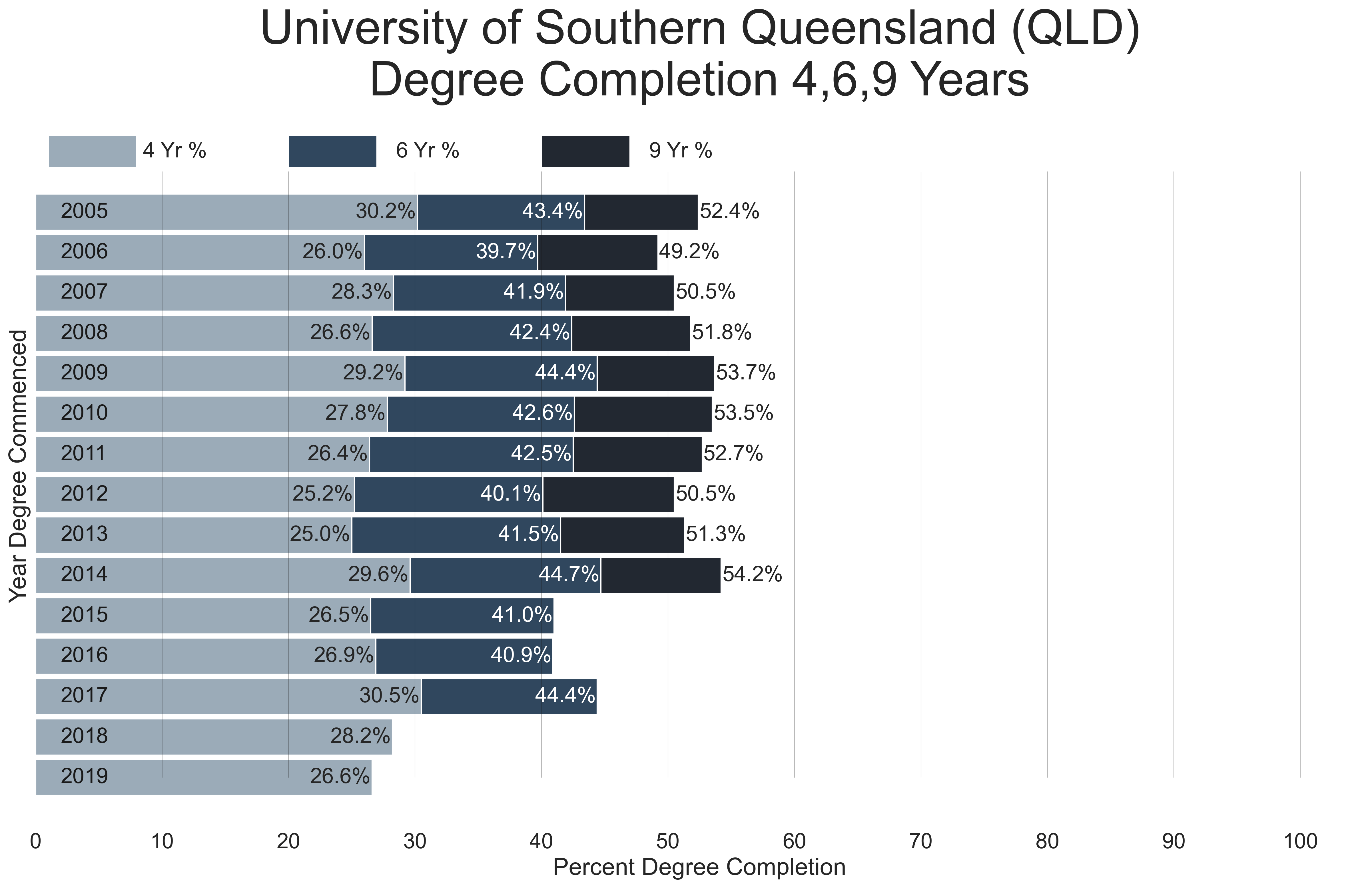
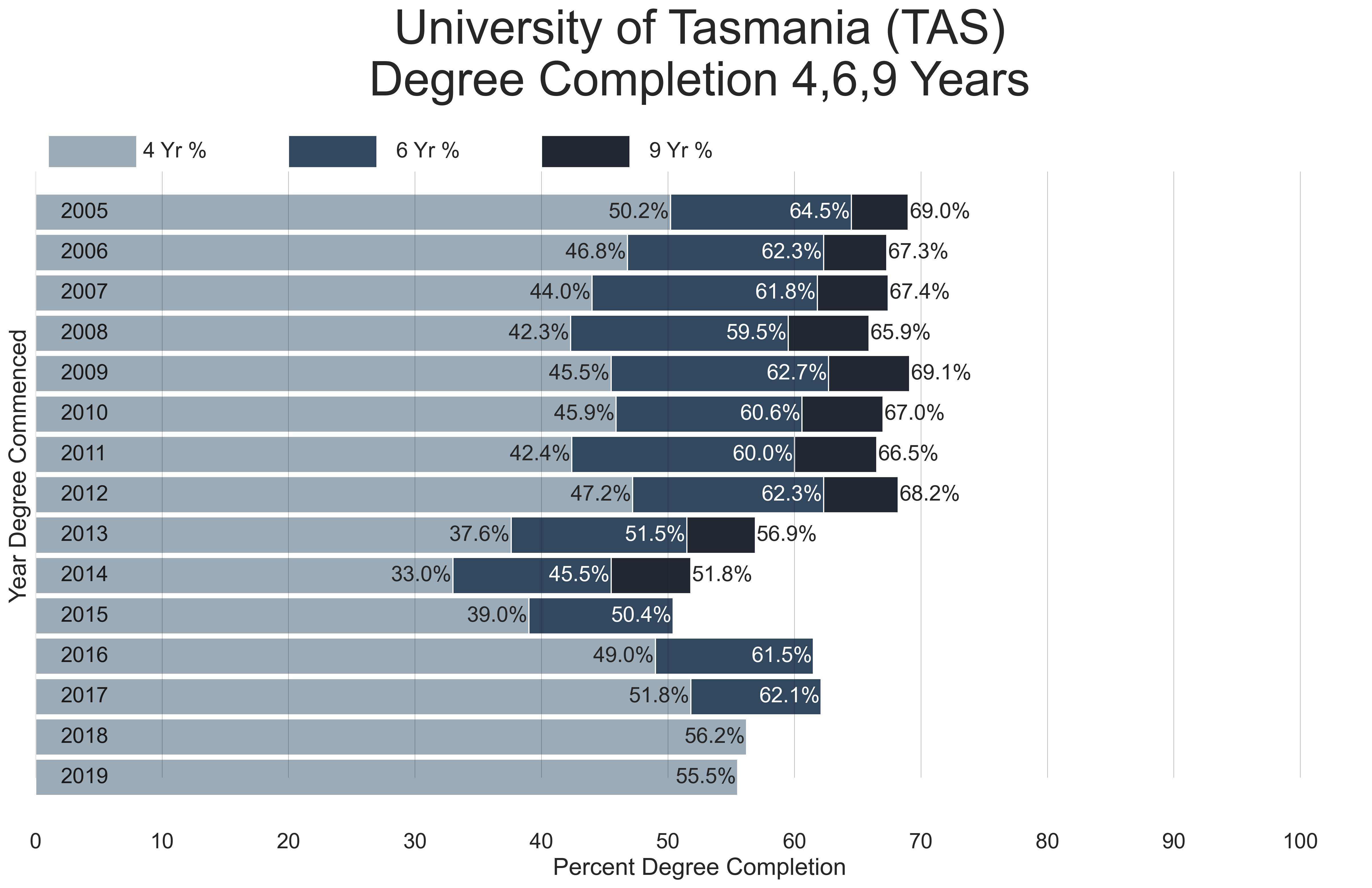
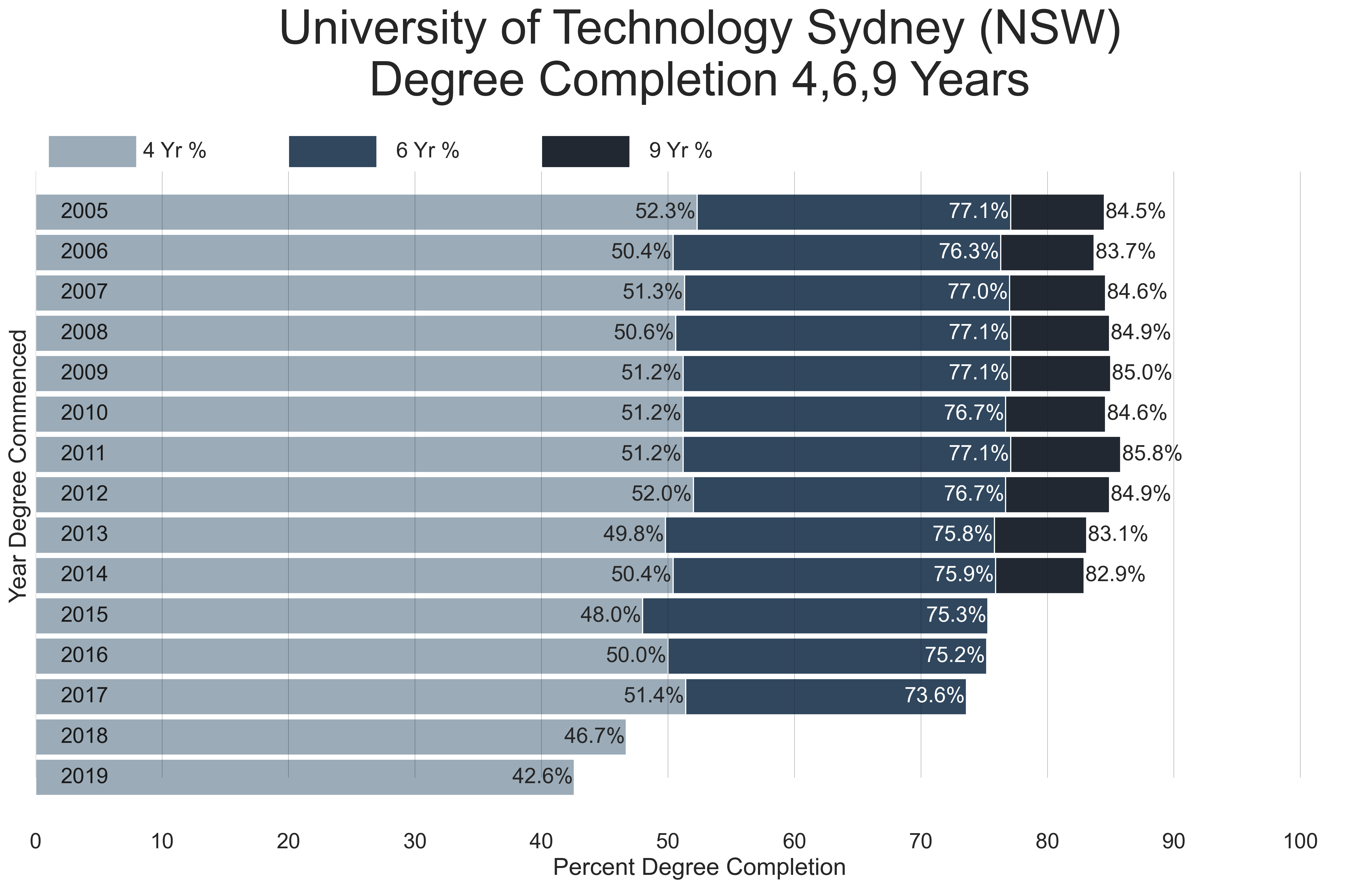
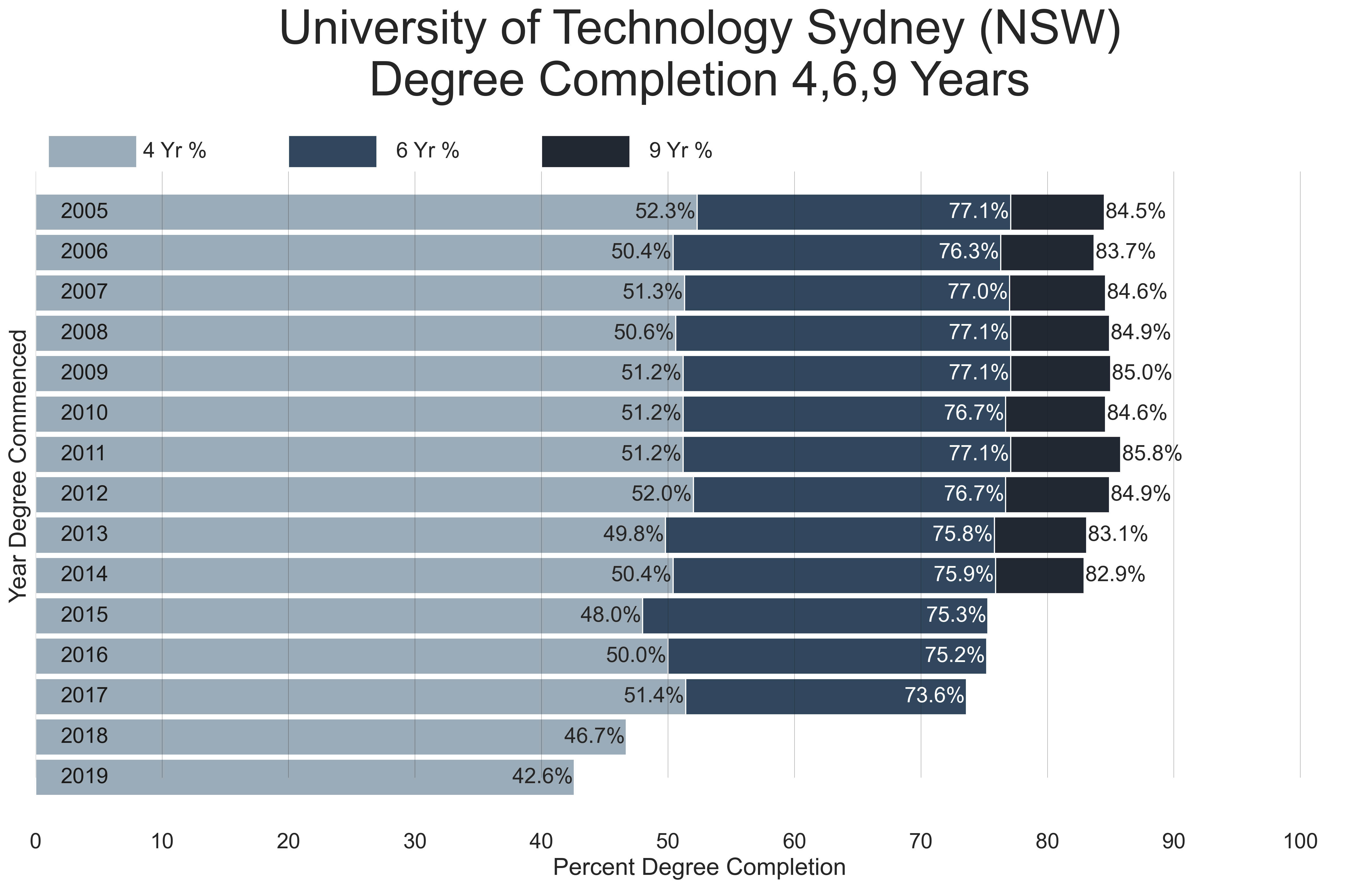
Sobering.